House Republicans aim to turn Democratic civil war into midterm weapon
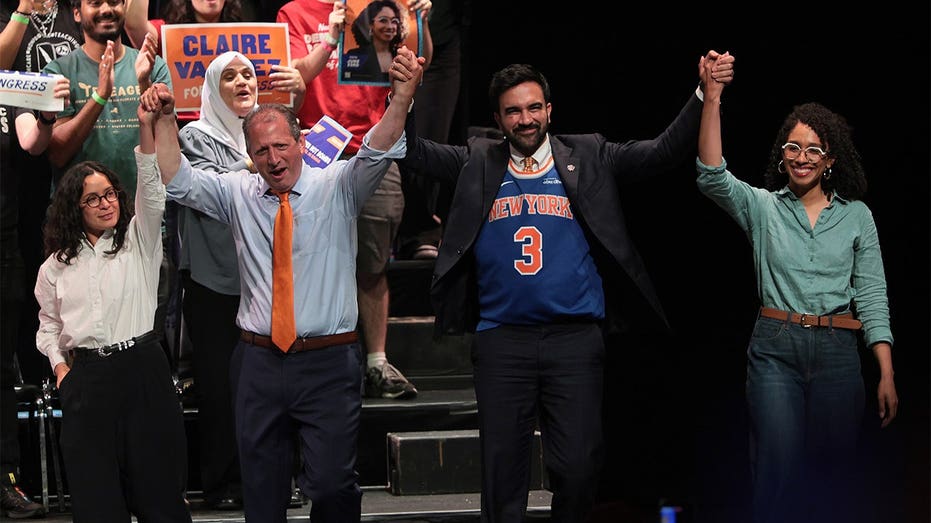
Republicans are attempting to leverage internal Democratic Party tensions as a midterm election strategy. By emphasizing conflicts between progressive and centrist Democrats over policy priorities, GOP legislators argue that the party is shifting toward positions that threaten institutional stability. This approach is particularly evident in suburban swing districts where such divisions may resonate with moderate voters.
Rather than campaign solely on Republican policy proposals, House GOP members are framing Democratic internal disputes as evidence of ideological extremism within the opposing party. Competitive districts in the New York area are identified as key battlegrounds where this messaging strategy is expected to influence voter behaviour and congressional representation.
- House Republicans are strategically highlighting divisions within the Democratic Party—specifically between progressive and mainstream factions—as an electoral tactic for the midterm elections.
- GOP representatives in competitive suburban districts, particularly in New York, view internal Democratic conflict over policy direction as a vulnerability they can exploit with voters.
Both sides, in good faith
The strongest fair case each way — we don't pick a winner.
The case for
Advocates of this framing argue that a genuine and consequential debate is unfolding inside the Democratic Party between its progressive and moderate wings, and that voters in competitive suburban districts deserve to know which vision of the party their local candidate actually represents. They contend that highlighting policy differences on issues such as taxation, policing or the scope of government is a legitimate part of democratic accountability, not mere opportunism, and that a party genuinely wrestling with its identity is a fair subject of scrutiny by opponents and voters alike.
The case against
Critics of this framing argue that portraying the entire Democratic Party through its most left-wing figures is a deliberate distortion designed to frighten moderate suburban voters rather than engage with the party's actual mainstream positions. They see this as a familiar campaign tactic that substitutes labelling for substantive debate, arguing that most Democratic officeholders in swing districts hold centrist views, and that focusing on internal party tensions distracts from scrutiny of Republican governance and policy records that voters might otherwise weigh more heavily.