Households near new pylons to get £250 taken off annual energy bills
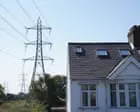
The UK government has confirmed that households living within 500 metres of new or upgraded power pylons will receive £250 taken off their annual energy bills, part of a plan to secure public support for the biggest overhaul of Britain's electricity grid since the 1960s. The discounts, offered in exchange for "hosting vital infrastructure", are intended to head off local opposition to the more than 40 pylon and substation projects planned across Great Britain as the network is expanded to carry renewable electricity from remote and offshore sites to cities.
Eligible households could save up to £2,500 over ten years, with payments applied automatically every six months via energy suppliers from next year. The scheme follows the government's rejection of proposals to bury new cables underground, after research found overhead pylons remained the most cost-effective option for bill-payers. Grid firms are expected to spend up to £77bn over five years on upgrades, and companies including National Grid, SSE and Scottish Power will also fund local community projects, with schemes near National Grid's Bramford-to-Twinstead line and Scottish Power's Chirmorie line receiving over £4m and £2.4m respectively.
- Homes near new pylons get £250 off annual energy bills
- Part of biggest UK grid upgrade since the 1960s
- Aims to offset opposition to over 40 new projects
New here? Start with this
Electricity travels from power stations to homes through the national grid, a network of cables, pylons and substations. The grid was largely built for older power sources, while more renewable electricity is now being generated at sites far from many of the towns and cities that use it.
National Grid, SSE and Scottish Power are among the companies building or upgrading parts of the network. The government has chosen overhead pylons for many projects because burying cables underground would cost more, and the upgrades are intended to carry electricity where it is needed.
New routes can affect people living nearby, and some communities oppose having pylons or substations in their area. Bill discounts and funding for local projects are part of efforts to address the impact on those communities while expanding the grid.
Both sides, in good faith
The strongest fair case each way — we don't pick a winner.
The case for
This scheme represents a fair and transparent approach to securing public support for essential grid modernisation. The government has chosen the most cost-effective solution—overhead pylons—which keeps energy bills lower for all households, and it properly compensates those directly affected by hosting this vital infrastructure with targeted bill reductions, automatic payments, and substantial community investment. Rather than imposing costs invisibly across the wider population, it acknowledges the legitimate sacrifice of affected residents and provides them tangible benefit for enabling the renewable energy transition Britain needs.
The case against
Whilst the infrastructure is necessary, £250 annually amounts to inadequate compensation for permanent environmental and visual harm that reduces property values and quality of life for affected residents. The government's decision to reject underground cables specifically to save costs means that households bear the visible burden of the energy transition whilst the broader population enjoys the benefits and lower bills—effectively treating these communities as sacrifice zones. The scheme's focus on financial compensation ignores residents' legitimate concerns about health, aesthetics, and property devaluation, and the minimal offset effectively coerces acceptance of infrastructure that profoundly affects their homes.