World news and discussion on TalkFuse.
Households with log burners face £300 fine over mistake after law change
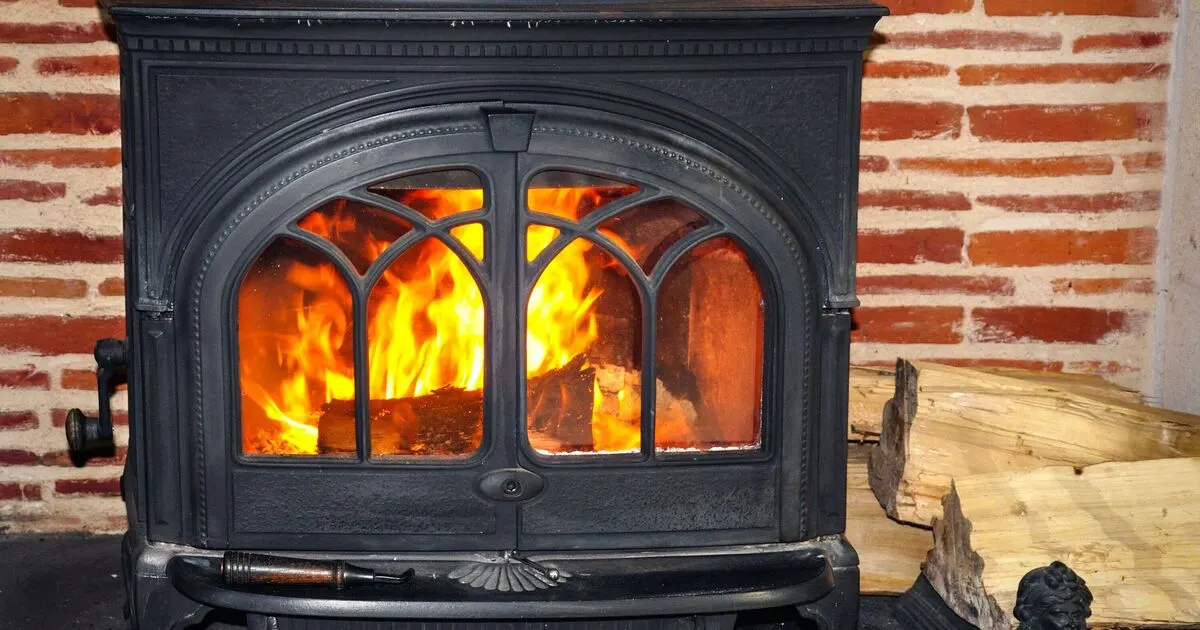
Households in England’s smoke control areas can be fined if their log burners emit too much smoke or they burn unauthorised fuel. The rules are intended to reduce air pollution, including fine particles that can harm human health.
The article says new log burners must emit no more than 3g of smoke per hour, down from 5g, and that smoke-related penalties range from £175 to £300. Using unauthorised fuel in an appliance not approved by Defra can bring a fine of up to £1,000; residents are advised to check their local smoke control area and use approved appliances and fuels.
In short
- Smoke-related fines can reach £300 in smoke control areas.
- Unauthorised fuel in a non-exempt appliance can mean a £1,000 fine.
- Defra advises checking local rules and using approved fuels.
Steelman: both sides, in good faith
The strongest fair case each way — we don't pick a winner.
The case for
Tighter smoke limits can help reduce fine-particle pollution, which harms health and affects neighbours as well as the household producing the smoke. Lowering the permitted emissions from new burners and enforcing fuel rules may encourage cleaner heating choices, while fines provide a way to address persistent breaches.
The case against
Households may see the rules and penalties as burdensome, particularly if requirements are hard to understand or approved fuels and appliances cost more. A lower emissions limit and fines of up to £1,000 could feel disproportionate where people make an honest mistake or have limited alternatives, so clear guidance and fair enforcement matter.
Explained simply
Smoke control areas are places where local rules limit smoke from household chimneys to help reduce air pollution. Councils can set these areas, and residents can check whether their home is covered.
Log burners burn wood or other solid fuel, but some fuels produce more smoke than others. The rules distinguish between approved appliances and fuels, which are tested or authorised for use, and those that are not.
The restrictions aim to reduce fine particles in the air, which can affect people’s health. They apply alongside ordinary household heating choices and can lead to penalties when smoke or fuel rules are breached.