World news and discussion on TalkFuse.
Houthis claim attack on oil tankers as US launches more strikes on Iran
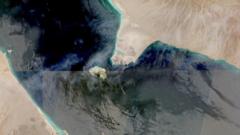
Yemen's Houthi movement says it attacked two Saudi oil tankers in the Red Sea, in what would be the first assault since it declared a "maritime embargo" against Saudi Arabia, as the United States carried out a 12th consecutive night of strikes on Iran. The escalation threatens further disruption to global shipping and fuel prices, coming amid the wider US-Israeli war with Iran that has already effectively closed the Strait of Hormuz to tanker traffic.
The Houthis named the vessels as the Encelia and the Layla, saying they were targeted with drones and missiles for allegedly breaching the group's naval blockade; the UK Maritime Trade Operation confirmed a Saudi tanker was struck by an "unknown projectile" near Al Shuqaiq, causing a fire but no casualties. Iranian state media reported two people killed in US strikes near the Iraq border and said the Strait of Hormuz was "completely closed" after an explosion on a mined route, with one tanker set ablaze and two others turning back. US Central Command said its strikes targeted Iranian military, missile and air defence assets, while Kuwait, Jordan and Bahrain reported responding to airborne threats after Iran said it had hit US assets in all three countries. President Trump had earlier warned he would strike an Iranian bridge or power plant over attacks in the strait and would "take care of" the Houthis, while Iran's foreign minister threatened an "eye for an eye" response; at least seven oil tankers have reportedly made U-turns near Yemen since the embargo began.
In short
- Houthis claim drone/missile attack on two Saudi oil tankers in Red Sea
- US strikes Iran for 12th straight night; two reported killed
- Iran says Strait of Hormuz "completely closed" after mine explosion
Steelman: both sides, in good faith
The strongest fair case each way — we don't pick a winner.
The case for
Attacks on commercial shipping in international waters cannot be tolerated without response, as they destabilise global energy markets and threaten neutral nations' access to essential resources. The Houthis and Iran have demonstrated repeated hostility, and without credible military consequences, such provocations will only escalate. The US strikes target Iranian military capabilities that directly enable regional aggression, and maintaining deterrence through strength is essential to preventing wider conflict and protecting freedom of navigation on which global commerce depends.
The case against
Successive rounds of military strikes perpetuate a dangerous cycle of retaliation that risks catastrophic regional conflict and humanitarian catastrophe. The Houthis' maritime campaign, whilst disruptive, represents a symptom of deeper regional conflicts that military force cannot resolve and may worsen by entrenching all parties further. Strategic de-escalation through diplomatic engagement—addressing legitimate grievances and establishing frameworks for regional coexistence—offers a more sustainable path to stability than military escalation, which risks miscalculation and destabilisation of already fragile populations.
Explained simply
The Houthis are a Yemeni militia group that has declared a "maritime embargo" aimed at stopping ships from reaching Saudi Arabia. The Red Sea and the Strait of Hormuz near Yemen are among the world's most vital shipping routes, carrying vast quantities of oil, gas and other goods to Europe and beyond every day. These waterways are therefore strategically important to the global economy despite Yemen being one of the world's poorest countries.
The Houthis have close ties to Iran, which is currently in serious conflict with the United States and its allies. American military strikes on Iranian targets have been ongoing, and Iran has threatened retaliation against the United States and some of its regional allies. This broader conflict between the US and Iran means that shipping in the region is caught in the middle of a larger geopolitical struggle.
Disruptions to shipping through the Red Sea and Strait of Hormuz have immediate effects on fuel prices and supply chains around the world. Already, shipping companies have started diverting their vessels away from the region, which adds costs and delays to international trade. Any sustained escalation of attacks on ships could have significant economic consequences far beyond the Middle East itself.