Houthis launch new attack on Riyadh oil refinery as Saudis hit back with counter-strikes on Yemen as conflict hiking world oil prices intensifies
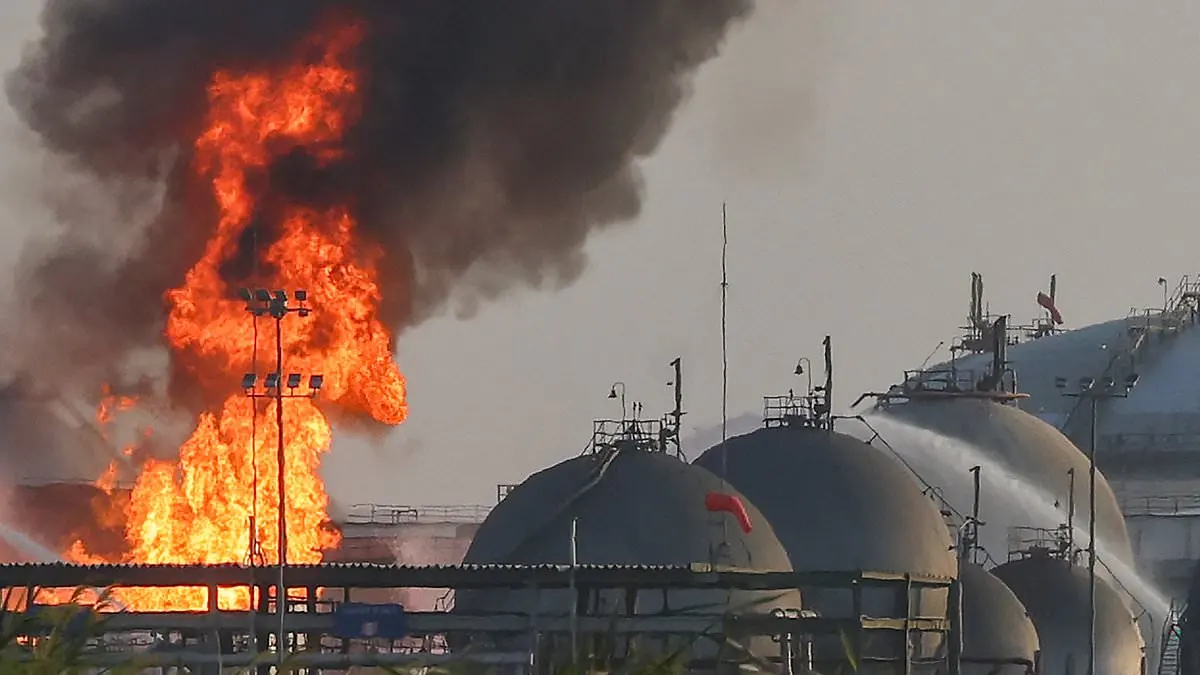
A refinery south of Riyadh was hit in a reported Houthi attack on Saturday, with flames and thick smoke prompting emergency crews to respond. Saudi Arabia launched counter-strikes in Yemen within hours, intensifying a conflict that threatens regional energy supplies and could add to pressure on global fuel prices.
The circumstances of the refinery incident were unclear, and neither the Houthis nor Saudi authorities had commented. The strikes came amid renewed fighting after a fragile truce broke down; Houthi-linked media reported 26 Saudi strikes on Sanaa. The G7 had announced plans to release 100 million barrels of oil reserves over four months to ease rising fuel prices.
- A Riyadh refinery was reportedly attacked by the Houthis.
- Saudi Arabia struck targets in Yemen within hours.
- Renewed fighting risks further pressure on energy prices.
New here? Start with this
Saudi Arabia and Yemen share a border on the Arabian Peninsula. The Houthis are an armed movement that controls much of northern Yemen, including the capital, Sanaa, while Saudi Arabia has led a military coalition supporting Yemen’s internationally recognised government.
The conflict has drawn in neighbouring countries and disrupted a region important to global oil supplies. When fighting threatens refineries or transport routes, markets may worry about reduced supply, which can push up oil and fuel prices; governments can also release emergency reserves to help cushion shortages.
Both sides, in good faith
The strongest fair case each way — we don't pick a winner.
The case for
Saudi Arabia can argue that attacks on energy infrastructure threaten civilian safety, essential services and regional stability, and that responding to protect its territory and deter further strikes is a legitimate security duty. Supporters may also contend that a credible response is needed when a fragile truce has collapsed, while recognising the uncertainty around the refinery incident and the risk of escalation.
The case against
Critics can argue that counter-strikes risk widening the conflict, endangering civilians and making a return to negotiations harder, especially when responsibility and circumstances around the refinery incident remain unclear. They may favour restraint and renewed diplomacy, noting that attacks on either side can disrupt energy supplies and raise costs for people far beyond the region.