Politics news and discussion on TalkFuse.
How a billionaire tax proposal failed in California despite big election wins for progressives
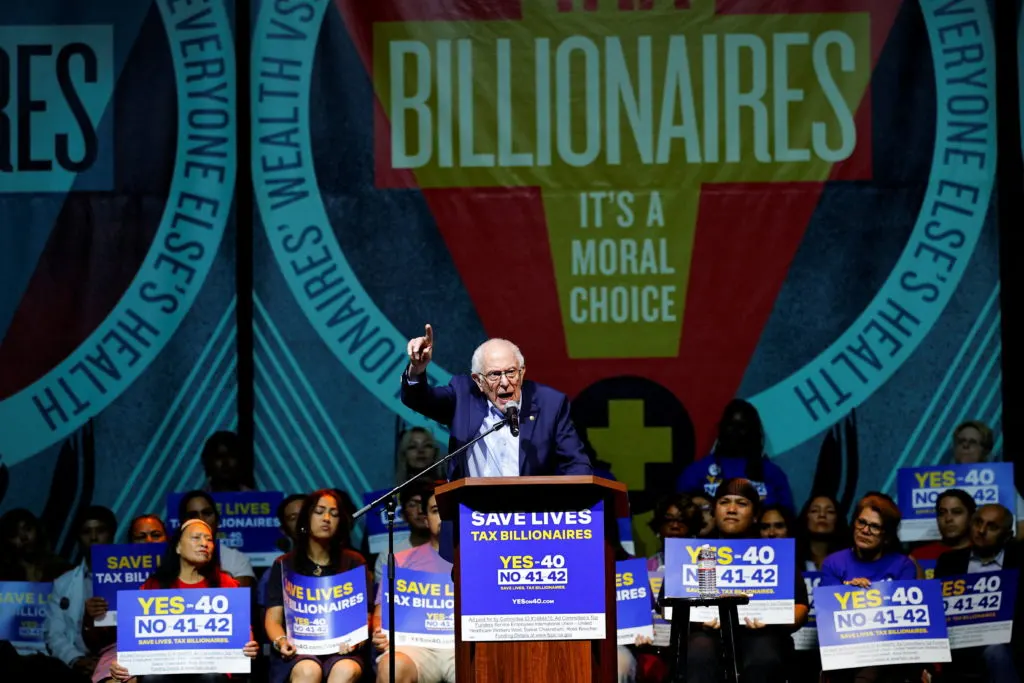
California voters rejected Proposition 40, which would have imposed a one-off 5% tax on the wealth of residents worth more than $1 billion, with most proceeds earmarked for healthcare. They also narrowly approved Proposition 42, barring the state from taxing people’s financial assets in future, making another wealth tax harder to enact.
The result came despite progressive gains elsewhere and California’s reputation as a liberal state. Opponents raised more than $333 million and outspent supporters by ten to one; prominent opponents included Governor Gavin Newsom, while supporters included Bernie Sanders, Ro Khanna and a healthcare workers’ union. Supporters have floated bringing the proposal back in 2028, and voters also approved an extension of a separate tax on high earners.
In short
- California rejected a proposed one-off tax on billionaires’ wealth.
- Voters approved a measure restricting future taxes on financial assets.
- Supporters may bring the wealth tax proposal back in 2028.
Steelman: both sides, in good faith
The strongest fair case each way — we don't pick a winner.
The case for
Supporters argue that a one-off levy on billionaires could raise substantial funds for healthcare from people best able to pay, while asking little of ordinary households. They see concentrated wealth as a fair source of public revenue and argue that California’s approval of a separate high-earner tax shows voters may support taxes when the purpose and burden are clear.
The case against
Opponents argue that taxing wealth rather than income could prompt wealthy residents to leave, reduce investment and ultimately weaken the tax base, making the promised revenue uncertain. They also see a constitutional bar as a way to give residents and businesses greater certainty and to discourage future taxes on assets that may be difficult to value or are not readily available as cash.
Explained simply
A wealth tax is a tax on what someone owns, such as shares, property and other investments, rather than on their yearly income. Proposals for such taxes often focus on people with very large fortunes, but working out the value of assets and collecting the tax can be complex.
California has a large technology and finance sector, and many of its wealthiest residents hold much of their wealth in company shares. The state funds public services including healthcare through a mix of taxes, and voters can decide on many tax changes through ballot measures.
The debate involved state leaders, national politicians, unions and groups representing wealthy residents and businesses. It also raised broader questions about how governments should pay for services and whether taxing large fortunes could affect where people live or invest.