World news and discussion on TalkFuse.
How a fugitive Mexican prosecutor became a flashpoint in US-Mexico relations
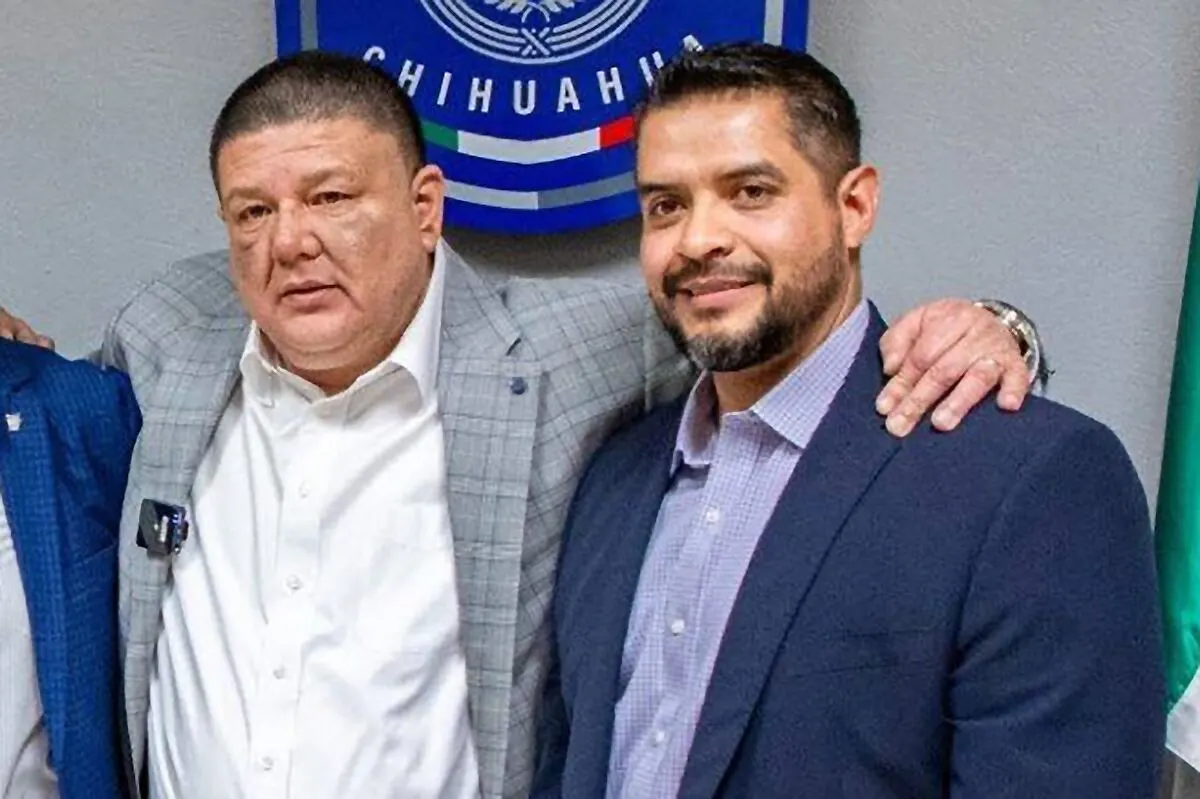
Mexican authorities are investigating whether US intelligence personnel took part in anti-drug operations in Chihuahua without federal authorisation, a case that has become a major point of tension with Washington. The inquiry has led to the arrest of state Attorney General César Jáuregui and an arrest warrant for his former deputy, Guillermo Arturo Zuany, who is reportedly in the United States.
Reports say Zuany helped CIA officers train Chihuahua forces and join some missions for more than six months, after the US restored his visa. Mexico’s federal government says security activity by foreign agents must comply with its constitution and national security law; the investigation also found that two CIA officers who died in an April vehicle crash were armed during the preceding operation. The case has sharpened President Claudia Sheinbaum’s concerns about Mexican sovereignty and US involvement.
In short
- Mexico is investigating alleged unauthorised CIA activity in Chihuahua.
- Former prosecutor Guillermo Arturo Zuany is wanted and reportedly in the US.
- The case has raised tensions over Mexican sovereignty.
Steelman: both sides, in good faith
The strongest fair case each way — we don't pick a winner.
The case for
The US and Chihuahua officials may argue that close intelligence and operational cooperation is needed to disrupt drug networks that threaten people in both countries, and that training local forces can make such efforts more effective. If the reported activity was intended to address an urgent security threat, supporters may see it as practical cooperation, while recognising that the allegations and the officials’ roles remain under investigation.
The case against
Mexico’s federal government may argue that foreign agents conducting operations on Mexican soil without federal authorisation breach its laws and undermine democratic control over security policy. Requiring foreign personnel to follow constitutional and legal procedures protects sovereignty and accountability, even when cooperation against drug trafficking is important.