Politics news and discussion on TalkFuse.
How a midterm tie gets settled in the case of the Senate
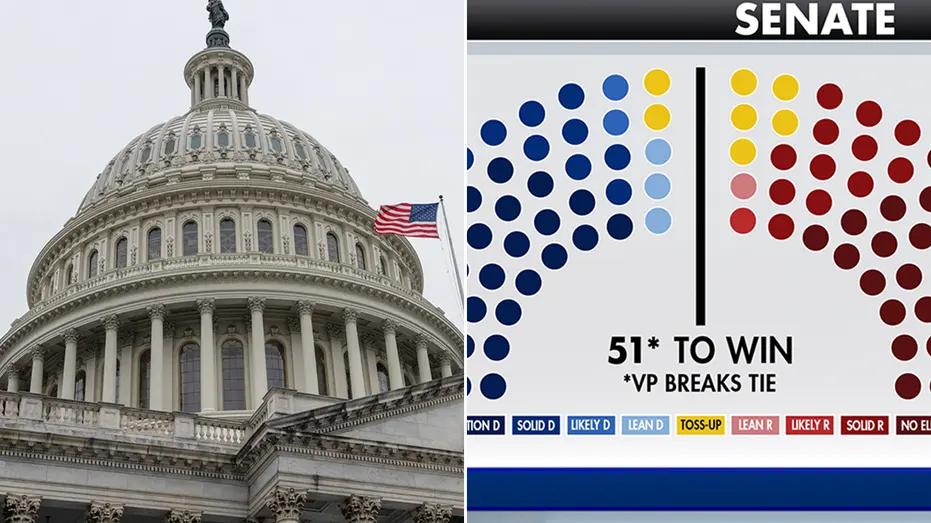
A 50-50 Senate leaves control of the chamber without a clear rule-based tiebreaker: the vice-president can break tied votes, but the Senate’s standing rules do not say which party becomes the majority. The article looks at how senators have handled such deadlocks, a question that could matter after a close election.
After the 2000 election, a recount dispute delayed the result until December, and party leaders negotiated a power-sharing agreement: Republicans kept the majority leader and committee chairs, while committees had equal party representation and Democrats received floor powers. The Senate approved the deal unanimously, with all 100 senators signing on. The article also cites the 2020 election, when run-off victories by Jon Ossoff and Raphael Warnock produced a 50-50 split, confirmed on 6 January 2021.
In short
- Senate rules do not specify which party controls a 50-50 chamber.
- In 2001, senators approved a unanimous power-sharing deal.
- The 2020 election also produced an evenly split Senate.
Steelman: both sides, in good faith
The strongest fair case each way — we don't pick a winner.
The case for
A 50-50 Senate leaves practical control unsettled, so a power-sharing agreement can give both parties a fair role in committees and floor business while allowing the chamber to function. The 2000 agreement shows that senators can negotiate a workable arrangement, and unanimous approval can lend it legitimacy.
The case against
A tie does not itself establish that each party should receive equal institutional power: the Senate still needs clear leadership and a reliable way to organise its work. Negotiated arrangements can leave important questions unresolved or give each party incentives to obstruct, so supporters of a decisive majority structure may favour settling control through established political practice rather than an improvised compromise.
Explained simply
The Senate is one of the two chambers of the US Congress, where lawmakers debate and vote on federal laws. Each state elects two senators, so the chamber has 100 members. When the parties have the same number of seats, the vice-president can cast the deciding vote if senators are tied, but that does not by itself settle which party leads the Senate.
Senate leaders can negotiate how the chamber will operate, including who leads committees and how members share committee seats and control of the floor. After the 2000 election, a recount dispute delayed the result, and senators agreed to share some powers while Republicans kept key leadership roles. A close election can therefore leave the Senate’s organisation dependent on an agreement between its members.
Elections Government Politics World