Technology news and discussion on TalkFuse.
Nvidia chief’s reported affair raises scrutiny of US chip policy
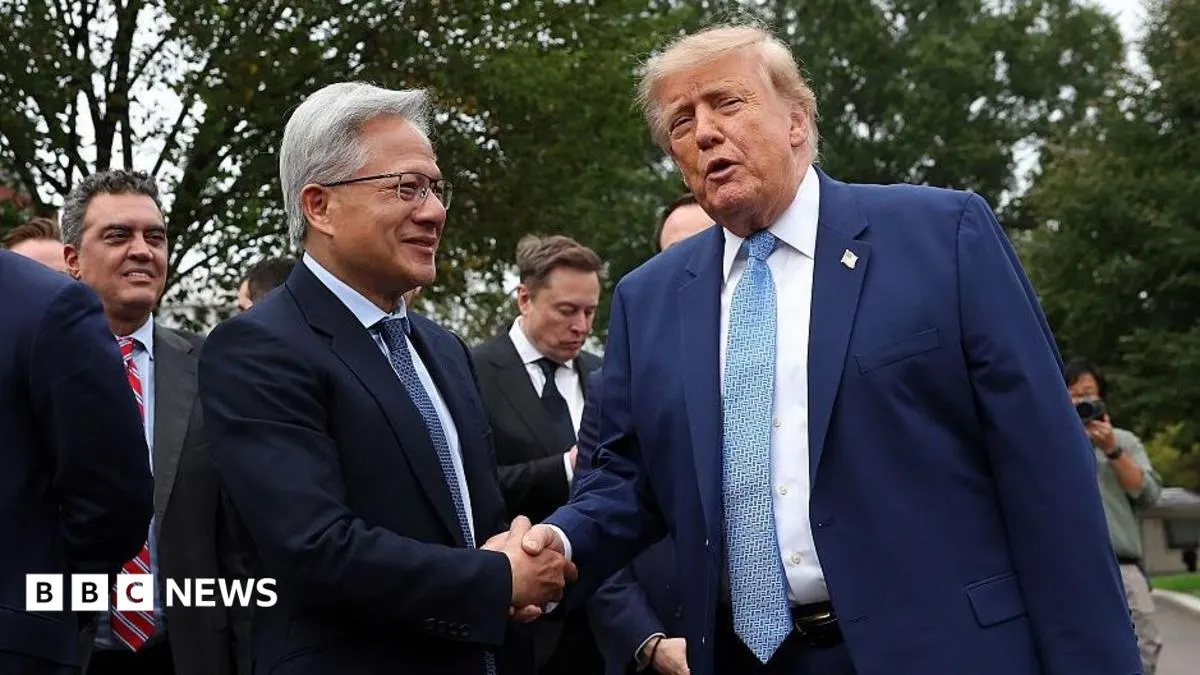
Jensen Huang’s reported affair with Alice Huang, a former executive at Singapore-based Megaspeed, has raised concerns that a suspected Chinese intelligence operation may have targeted a businessman with unusually close access to President Donald Trump. The case matters because Huang had influence over US policy on selling advanced Nvidia chips to China, where Washington fears such technology could support military and technological development.
US intelligence reportedly suspects Alice Huang has links to Chinese intelligence; Beijing denies the allegations, and Nvidia’s board says it has no reason to believe company secrets or national security were compromised. Commerce Secretary Howard Lutnick is under scrutiny over his response to a classified memo about the concerns and Megaspeed, which was suspected of helping divert chips to China; the company says it complied with US export controls and co-operated with inspections. Reports also say Nvidia contacted investigators, after which the Commerce Department froze its inquiry and referred the case to the Justice Department, amid disagreements within the administration over China policy.
In short
- Huang’s reported affair has raised questions about possible foreign intelligence targeting.
- The case puts US chip export controls and Commerce Secretary Lutnick under scrutiny.
- Officials reportedly disagreed over Megaspeed and access to China’s market.
Steelman: both sides, in good faith
The strongest fair case each way — we don't pick a winner.
The case for
The reported links and access to sensitive chip policy justify careful scrutiny: if a foreign intelligence service sought influence through a close personal relationship, that could create risks even without evidence that secrets were obtained. A transparent investigation into the alleged diversion of chips and officials’ handling of intelligence concerns would help protect national security and public confidence.
The case against
The allegations remain unproven, and the available account says Nvidia’s board sees no reason to believe secrets or national security were compromised; Beijing also denies the intelligence claims, while Megaspeed says it followed export controls and co-operated with inspections. Treating a reported affair or unresolved suspicions as evidence of espionage could unfairly damage reputations and politicise legitimate disagreements over how to balance security risks with commercial and diplomatic interests.
Read the full article at the source →
Originally published by BBC Technology as “How a sex scandal at Nvidia is putting pressure on the White House”.