Menomonie residents help halt $1.6bn datacentre over secrecy and resource concerns
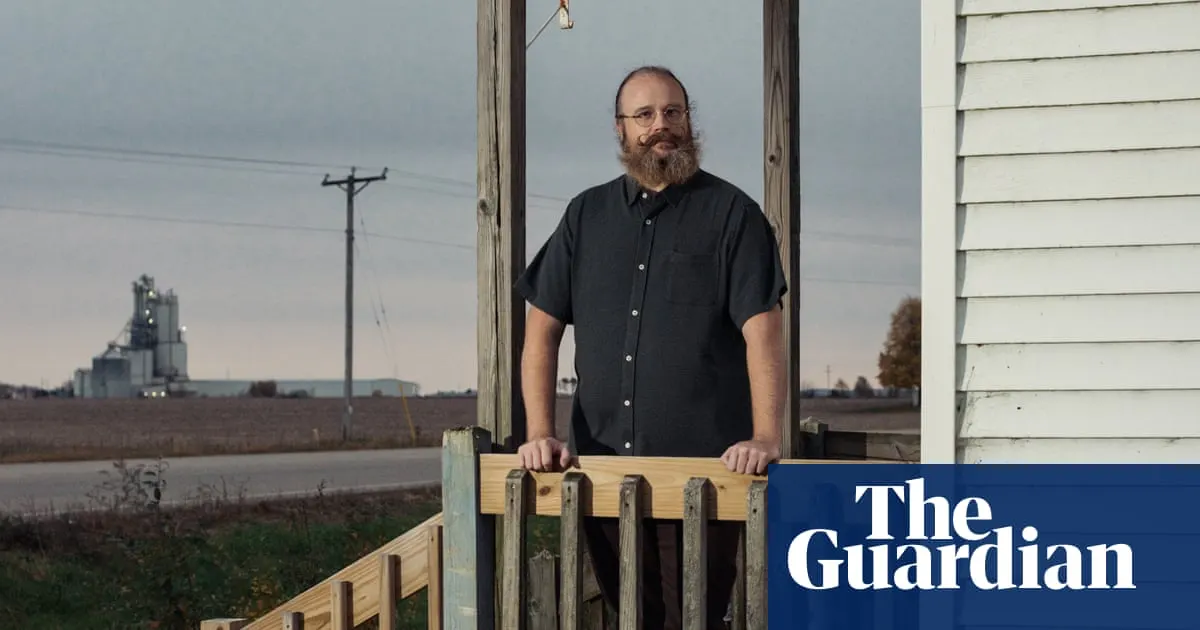
Menomonie residents helped stop a proposed $1.6bn datacentre after concerns grew over the project’s secrecy and its potential effects on local water, noise and electricity supplies. The case reflects wider resistance to AI infrastructure projects, which critics say can be advanced through shell companies and non-disclosure agreements that limit public scrutiny.
The 320-acre development, proposed by a company called Balloonist LLC, was expected to use about 75,000 gallons of water daily. Consultants cited up to 1,000 temporary construction jobs and 50 to 75 permanent positions, and promised to fund needed utility upgrades. The project’s backer was kept from most council members; Meta was later identified as the company behind a separate Balloonist datacentre proposal in Beaver Dam.
In short
- Menomonie residents opposed a secretive $1.6bn datacentre plan.
- The 320-acre site was projected to use 75,000 gallons of water daily.
- The proposal highlights growing scrutiny of AI infrastructure projects.
Steelman: both sides, in good faith
The strongest fair case each way — we don't pick a winner.
The case for
A project of this scale could bring substantial investment, construction work and a smaller number of lasting jobs, while funding utility upgrades that might benefit the area. Supporters could argue that data infrastructure helps meet growing demand for digital services and that water, noise and electricity impacts can be managed through enforceable planning conditions and investment. They may also see commercial confidentiality as a normal part of negotiations, provided elected officials retain enough information to make sound decisions.
The case against
Residents could reasonably argue that a major development should be open to public scrutiny, especially when its water use and demands on electricity and local services may affect the community for years. Secrecy around the backer can make it harder for residents and councillors to assess the project’s risks, promises and accountability. They may conclude that the projected jobs and infrastructure funding do not justify proceeding without transparent information and meaningful local consent.
Explained simply
Datacentres are large facilities that house computer servers and use electricity and water to keep them running and cool. Demand for them has grown alongside online services and artificial intelligence, while communities weighing new projects consider jobs and investment alongside effects on local resources and daily life.
Balloonist LLC proposed building a datacentre on 320 acres in Menomonie, Wisconsin. Consultants estimated it would use about 75,000 gallons of water a day, create up to 1,000 temporary construction jobs and 50 to 75 permanent jobs, and fund utility upgrades.
Residents and local officials raised concerns about the project’s effects on water, noise and electricity supplies, as well as limits on what could be discussed publicly. Meta was later identified as the backer of a separate Balloonist proposal in Beaver Dam; that does not establish who backed the Menomonie project.
AI Americas Business Technology World
Read the full article at the source →
Originally published by The Guardian as “How a small Wisconsin city scuttled a secretive $1.6bn datacenter project”.