Somerset villages question the reach of billionaire Koos Bekker’s estate
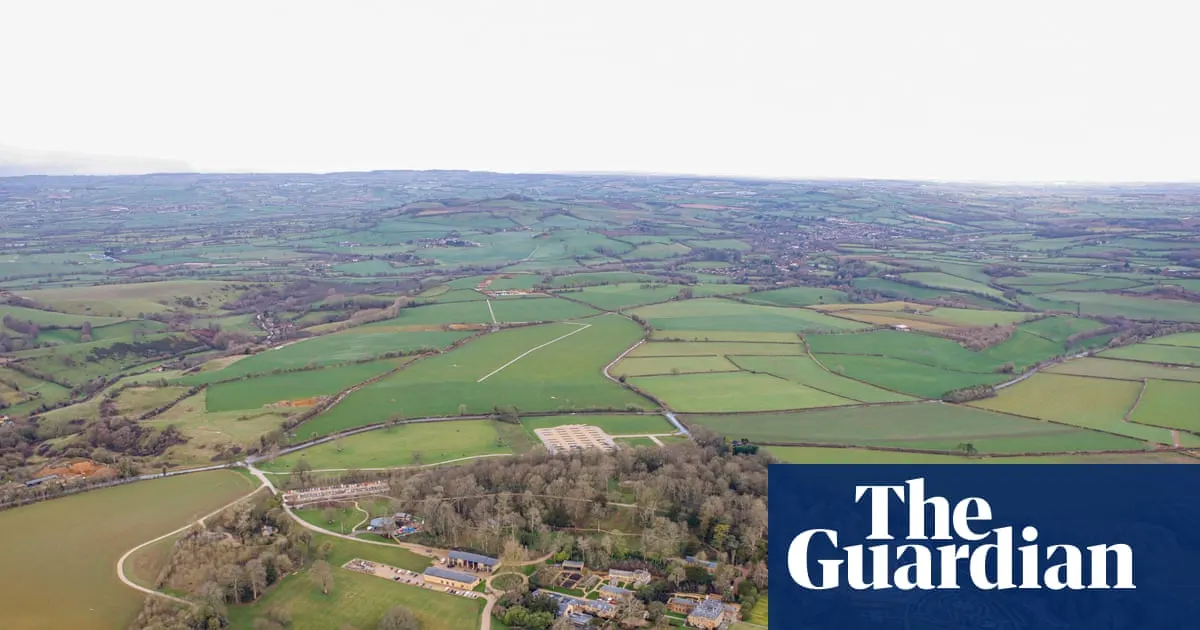
South African billionaire Koos Bekker, worth approximately £3bn and chair of technology firm Naspers, has purchased over 2,700 acres of Somerset countryside around Bruton and Castle Cary. Initially, locals welcomed his luxury Newt hotel as a sign of area investment and job creation, but significant tensions have emerged as his commercial influence extends beyond the estate into village life.
Bekker's holdings now encompass high street businesses including pubs, delis and beauty parlours. Controversies include the renaming of Castle Cary train station to feature the Newt's branding, dismissed as "brazen" by critics, and concerns that local establishments' prices will rise following Newt acquisition—the George pub currently offers senior citizens hot dinners for £12, whilst the Newt's farm shop charges £11.95 for chocolate buttons. Additional criticism has focused on the hotel's keeping of five endangered red squirrels in a cage, which wildlife experts call performative rather than beneficial to conservation.
- Billionaire acquiring 2,700 Somerset acres through luxury hotel brand amid local tensions.
- Train station renamed and village businesses bought, raising pricing concerns.
- Wildlife experts criticise red squirrel cage as performative conservation effort.
New here? Start with this
South African billionaire Koos Bekker, valued at around £3 billion and chair of technology firm Naspers, has built significant property holdings in Somerset, acquiring over 2,700 acres of countryside around Bruton and Castle Cary. He created the Newt, a luxury hotel, which locals initially regarded as beneficial for the local economy and employment.
His ownership has grown beyond the hotel and estate to include a range of high street businesses in local villages, among them pubs, delis and beauty establishments. This growing portfolio has led some residents to question how extensively he now influences local commerce and village life.
The extent of his land and business ownership in the region has become a topic of local debate, with residents discussing the future character of their communities and the role of external ownership in village life. His acquisitions have marked a significant shift in local ownership patterns.
Both sides, in good faith
The strongest fair case each way — we don't pick a winner.
The case for
Bekker's substantial investment brings rare economic opportunity to a rural area facing decline, with genuine job creation at the Newt hotel and potential modernisation of struggling high street businesses through professional management and capital injection. The initial local enthusiasm for the hotel suggests villagers recognised authentic economic benefit in an area where such development might otherwise never arrive, and the acquisition of local establishments could preserve them rather than allowing the closures that have afflicted rural communities across Britain.
The case against
A single billionaire's accumulating control over village infrastructure, businesses, public symbols and community spaces raises legitimate concerns about concentrated power and local self-determination. When commercial interests dominate even public amenities such as train stations, when pricing diverges sharply from what ordinary residents can afford, and when conservation efforts appear designed for marketing rather than genuine ecological benefit, it suggests the community is being reshaped to serve one investor's vision rather than responding to locals' genuine needs and values.
Read the full article at the source →
Originally published by The Guardian as “How a South African billionaire is turning a corner of Somerset into ‘one man’s estate’”.