How an Uzbek truck driver’s fatal crash exposed troubling fraud trend in Middle America: ‘Chameleon carriers’
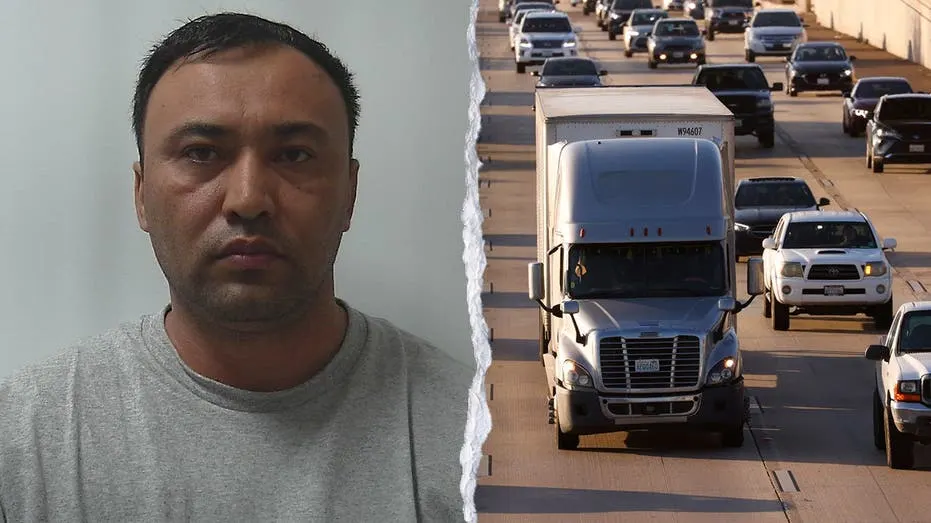
Toby Forsythe, a 21-year-old University of Massachusetts Lowell footballer from Ohio, died on 5 July after a lorry driven by Uzbek national Bekhzod Asrarov struck his car from behind on Interstate 71. The report says court documents indicate Asrarov had limited English and allegedly removed a dashboard camera after the collision; the case has intensified local debate about road safety, immigration and enforcement of trucking rules.
A researcher using the name Nodawolf says he has identified a network of Uzbek-linked haulage businesses in southwest Ohio, while a review by the article found hundreds of trucking entities registered in the area and federal safety violations among some companies it examined. The reported concerns include English-proficiency failures and alleged manipulation of electronic logging devices, which record driving hours. The article also notes that a local Islamic centre said donations to it do not establish a business relationship with donors.
- A fatal Ohio crash has prompted scrutiny of trucking oversight.
- The report cites English and logging violations among some firms.
- A local researcher describes an Uzbek-linked business network.
New here? Start with this
A 21-year-old University of Massachusetts Lowell footballer from Ohio, Toby Forsythe, died on 5 July when struck from behind by a lorry driven by Bekhzod Asrarov, an Uzbek national, on Interstate 71 near Columbus. Court documents indicate Asrarov had limited English proficiency and allegedly removed a dashboard camera following the collision, raising questions about compliance with trucking regulations and road safety.
The incident has prompted wider scrutiny of the trucking industry in southwest Ohio. Researchers and journalists have identified hundreds of trucking businesses registered in the region, with federal safety violations found among some companies. Documented concerns include English-proficiency failures and alleged manipulation of electronic logging devices that record driving hours.
The case has sparked local debate about road safety, immigration and enforcement of trucking regulations. Given the documented violations and safety concerns, the incident has raised broader questions about industry oversight and whether existing rules are being adequately applied.
Both sides, in good faith
The strongest fair case each way — we don't pick a winner.
The case for
Road safety is paramount, and documented violations in electronic logging devices, driver proficiency and vehicle maintenance warrant serious enforcement attention. A fatal crash creates urgency to ensure commercial operators meet consistent safety standards and that enforcement gaps are closed. Identifying and addressing patterns in violations, including whether they are concentrated in particular business networks, is necessary oversight to prevent future deaths.
The case against
Whilst safety violations absolutely warrant enforcement action, attributing them to ethnicity or national origin of operators risks misdirecting policy and unfairly stigmatising communities. Regulatory standards should apply uniformly regardless of background; if enforcement gaps exist, they should be remedied systematically across all companies rather than through narratives highlighting operators' nationality. Without evidence that violations are more prevalent among these specific businesses than across the broader industry, a single fatal crash should not generate 'fraud trend' narratives based on ethnicity.