How Australia combines modern tech and Indigenous knowledge to fight fire
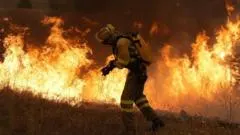
The wildfires currently devastating parts of Europe have highlighted how Australia, one of the world's most fire-prone countries, is combining Indigenous knowledge with modern technology to combat bushfires. Professor Marta Yebra, who leads the Bushfire Research Centre of Excellence in Canberra, has spearheaded work integrating satellite imagery, drones and AI with knowledge passed down through Indigenous communities over thousands of years, arguing the two approaches together offer far more effective fire detection and prevention than either alone.
The research centre was established following Australia's Black Summer fires of 2019-20, its worst fire season on record, which burned an area roughly the size of the UK. Satellite data reveals "fuel moisture content" indicating where dry vegetation might fuel a blaze, but Indigenous land readers such as Adrian Webster, from the New South Wales south coast, ground-truth this data using traditional ecological knowledge, such as plant colour, scent and soil conditions. Yebra reports "remarkable agreement" between Webster's assessments and satellite readings, and her team hopes to secure further funding to expand the approach. The article also touches on the Indigenous practice of "cultural burning" — small, controlled "cool fires" used to manage the landscape as a longstanding land management tool.
In short
- Australia blends satellite/AI tech with Indigenous knowledge to predict bushfires
- Black Summer fires (2019-20) burned an area the size of the UK
- Indigenous land readers verify satellite data on the ground
Explained simply
Australia’s bushfires can spread through dry vegetation, and the country has a long history of severe fire seasons. The 2019–20 Black Summer fires burned an area roughly the size of the UK, prompting the creation of a research centre in Canberra to improve how fires are anticipated and managed.
Professor Marta Yebra’s team combines satellite images, drones and artificial intelligence with knowledge held by Indigenous communities. Land readers such as Adrian Webster assess plants, scents and soil, helping check what technology indicates about how dry the landscape is.
This work brings together different ways of understanding fire risk, while cultural burning uses small, controlled fires to manage the land. The approach matters because better knowledge of where and how vegetation dries may help communities prepare for bushfires and reduce their impact.