Osasco’s shift to services tests Lula’s support in Brazil run-off
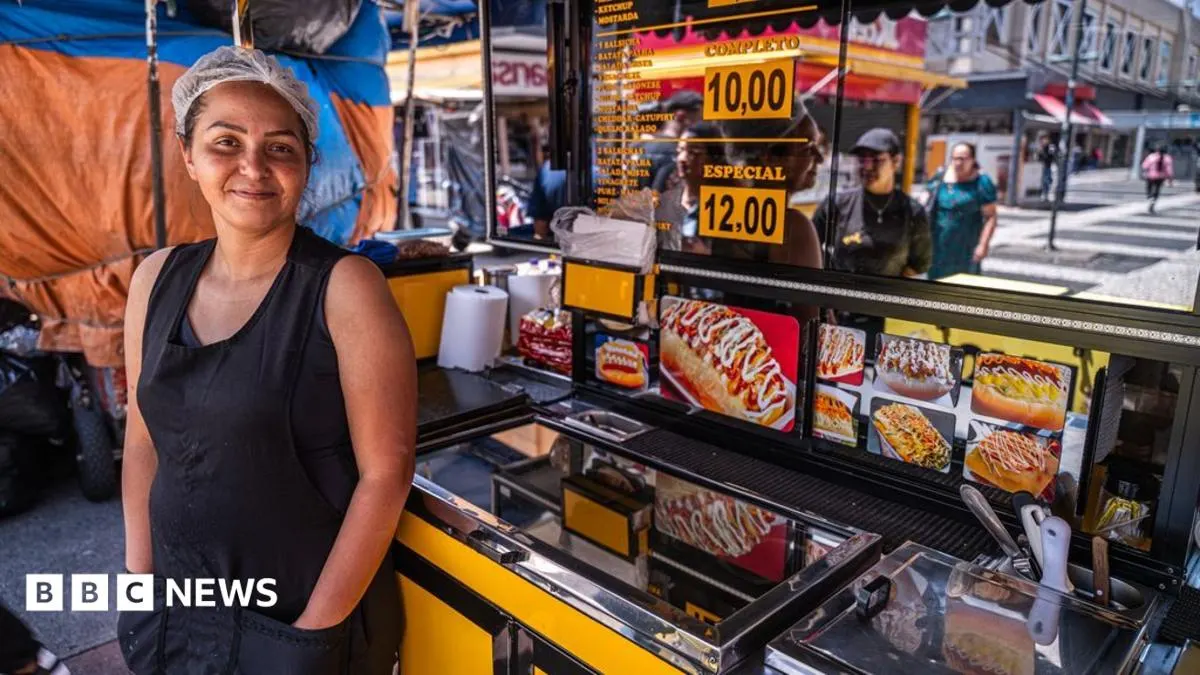
Osasco, once a centre of industrial employment, has shifted towards shopping, services and app-based work, reflecting changes in Brazil’s working class. The city backed Lula in 2022 but voted for Flávio Bolsonaro in this election’s first round; their run-off is on Sunday, and the shift highlights how economic frustration and a desire for change are challenging Lula’s traditional support.
Union leader Gilberto Almazan says factories and the industrial workforce have declined, while more people work in delivery, driving and small businesses, often seeking flexible hours. Some voters cite high prices, taxes, crime and political corruption, while Bolsonaro has proposed spending and tax cuts and says he would keep some welfare programmes. The article notes that unemployment has fallen to a record low, yet Lula’s past gains have not prevented some former supporters from switching or abstaining.
In short
- Osasco shifted from Lula to Bolsonaro in the first round.
- Brazil’s workforce has moved from factories towards services and gig work.
- Economic frustration is testing Lula’s traditional support.
Steelman: both sides, in good faith
The strongest fair case each way — we don't pick a winner.
The case for
Lula’s case is that lower unemployment and continuing welfare programmes show the value of active government, especially for workers facing insecure app-based jobs and high living costs. His earlier support in Osasco may reflect a belief that public policy and organised labour can protect people through economic change.
The case against
Bolsonaro’s case is that voters facing high prices, taxes, crime and corruption may reasonably seek a change of direction, even as unemployment falls. His proposed spending and tax cuts, alongside a promise to retain some welfare programmes, may appeal to people who value immediate relief and more flexible work over the established political approach.
Explained simply
Osasco is a city in the state of São Paulo that was once known for factory work. Over time, manufacturing has shrunk and more people have found work in shops, services and app-based jobs such as driving and delivery, often with less predictable income.
This change reflects a wider shift in Brazil’s working class and in the kinds of jobs people do. It also helps explain why some voters who previously supported Luiz Inácio Lula da Silva are now looking elsewhere, while others may stay away from the vote.
Lula and Flávio Bolsonaro are competing in a run-off after the first round of voting. Voters’ concerns include the cost of living, taxes, crime and corruption, alongside questions about jobs and welfare, making the result a test of how economic change is affecting political support.
Americas Elections Government Politics World
Read the full article at the source →
Originally published by BBC World as “How Brazil’s changing working class is reshaping the presidential race”.