How candy corn became a Halloween tradition, and why Americans still love to hate it
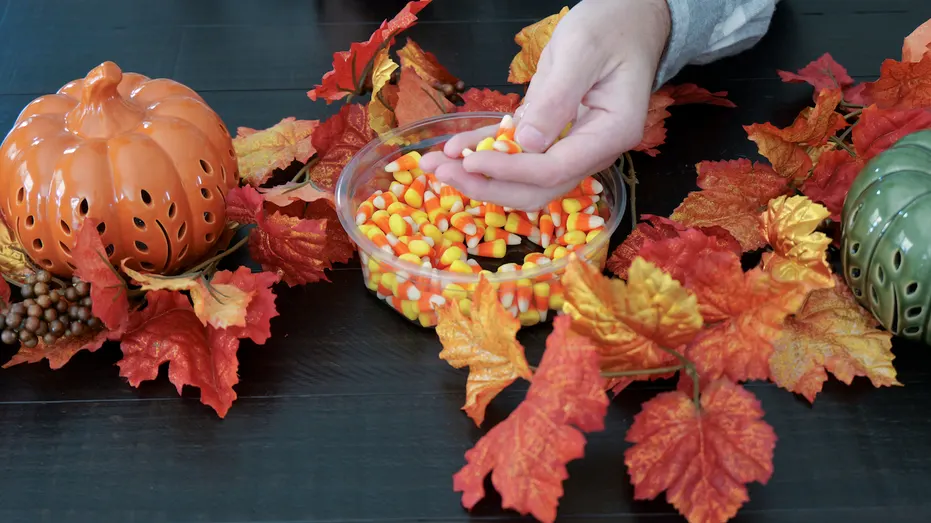
Candy corn began as a nature-inspired sweet in the 1880s, designed to resemble kernels of corn and first marketed as fake chicken feed. Its later association with Halloween grew as production became seasonal and Goelitz Confectionery, now Jelly Belly, helped sell it as a holiday treat.
The layered design was difficult to make without automated machinery, so production ran from late summer through autumn. About 35 million pounds are now produced each year, despite strong differences of opinion over its sweetness and texture. This autumn, Brach’s also released a limited-edition perfume inspired by the candy.
In short
- Candy corn was invented in Philadelphia in the 1880s.
- Goelitz helped turn it into a Halloween sweet.
- Around 35 million pounds are produced annually.
Explained simply
Candy corn is a three-coloured sweet shaped like a kernel of maize, the grain Americans call corn. It was created in the 1880s, when sweets shaped like farm produce were popular, and was first sold as a novelty resembling chicken feed.
Its Halloween link developed later, as making the layered sweets suited production in late summer and autumn. Goelitz Confectionery, now known as Jelly Belly, helped market it as a seasonal treat. Brach’s is another familiar maker.
Candy corn remains a regular part of the American Halloween season, though people disagree about its very sweet flavour and soft texture. Its lasting popularity makes it an example of how a seasonal food can become a tradition even when tastes differ.