Starlink and 5G home internet speeds vary by location and network
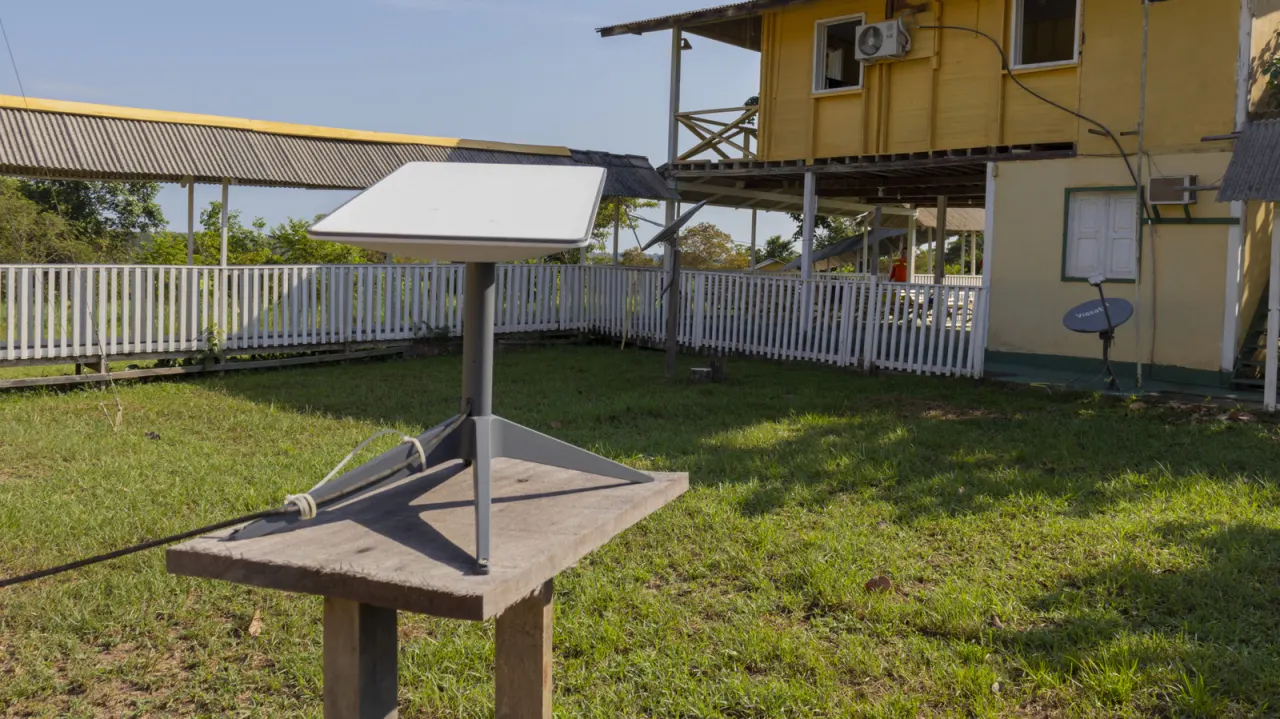
Starlink and 5G can both provide home internet where cable or fibre is unavailable, but neither is consistently faster. Which works best depends on local coverage, network capacity, equipment and conditions, so advertised speeds are not a reliable promise for an individual household.
Starlink’s US residential plans range from capped speeds of 100 or 200 Mbps to 400 Mbps or more on Residential Max; rural Idaho tests recorded daily averages of 145 to 170 Mbps in 2026. Reported 5G averages varied by provider and test, from 184.3 Mbps for AT&T to 314.38 Mbps for T-Mobile. Upload speed, latency and connection stability also matter: T-Mobile lists typical home uploads of 12 to 55 Mbps and latency of 16 to 28 milliseconds, while Starlink reports median peak-hour latency of 25.7 milliseconds.
In short
- Neither Starlink nor 5G is always faster.
- Local coverage and capacity shape actual speeds.
- Uploads, latency and reliability matter too.
Read the full article at the source →
Originally published by Engadget as “How do Starlink speeds compare to 5G?”.