Science news and discussion on TalkFuse.
How do you broker UN climate talks when your own country is a big coal and gas exporter? Chris Bowen is about to find out
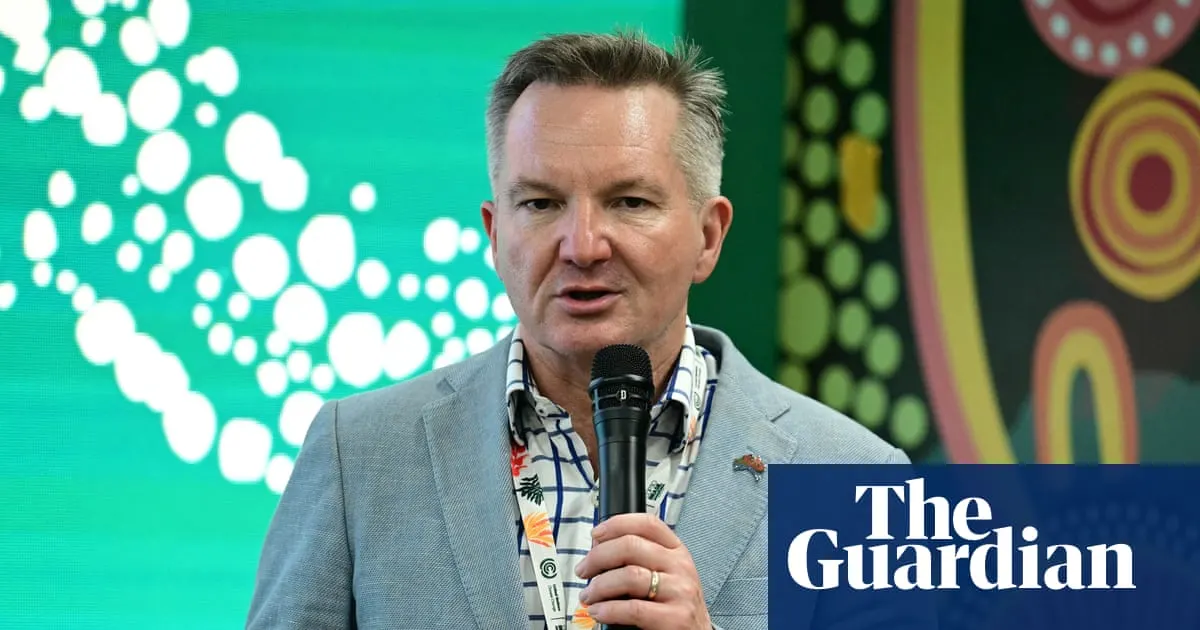
Australia has been urged to use its role in leading negotiations at the UN’s Cop31 climate summit to push for a global agreement to move away from fossil fuels. Climate minister Chris Bowen will seek consensus among nearly 200 countries, despite Australia’s large coal and gas export industries, as delegates meet amid an oil price crisis and rising climate concerns.
Australia is the world’s second-largest exporter of thermal coal and largest exporter of steelmaking coal, and supplies about a fifth of global liquefied natural gas exports. The government expects coal, gas and oil exports to be worth A$141bn this financial year. Talks will include a proposed goal for electricity to provide 35% of global final energy use by 2035, but a plan for countries to phase out fossil fuels is not on the official agenda; scientist Bill Hare has urged Australia to advance that work.
In short
- Australia is leading Cop31 negotiations while exporting large amounts of coal and gas.
- The proposed 2035 goal would raise electricity’s share of global energy use to 35%.
- A fossil fuel transition plan is absent from the official agenda.
Steelman: both sides, in good faith
The strongest fair case each way — we don't pick a winner.
The case for
Australia’s leadership at Cop31 gives it an opportunity to build consensus around a faster shift to clean energy and a global move away from fossil fuels. Advocates argue that the oil price crisis and climate risks underline the value of reducing dependence on volatile fossil fuel markets, and that a proposed goal for electricity to supply 35% of final energy use by 2035 could support that transition.
The case against
Australia’s major coal and gas exports support substantial economic activity, and a country that depends on those industries may have limited room to press for a rapid global phase-out without risking jobs, revenue and credibility with affected communities. A consensus-based summit may also make progress more likely if negotiations focus on achievable energy goals, rather than adding a contentious fossil fuel phase-out proposal that is not on the official agenda.
Explained simply
The UN climate summit is a meeting where countries negotiate how to limit climate change, including how quickly to cut the use of coal, oil and gas. Its decisions depend on countries reaching agreement, so the country leading negotiations has to find proposals that governments with different interests can accept.
Chris Bowen is Australia’s climate minister and will lead efforts to broker agreement among delegates. Australia exports large amounts of coal and gas, which bring substantial income, while also taking part in international efforts to reduce emissions.
The central issue is how countries can shift towards cleaner energy while managing their energy needs and economies. A proposed target would increase the share of global energy supplied by electricity, but a broader plan to move away from fossil fuels is not formally on the talks’ agenda.
Climate Environment Geopolitics Government Politics Science World
Read the full article at the source →
Originally published by The Guardian as “How do you broker UN climate talks when your own country is a big coal and gas exporter? Chris Bowen is about to find out”.