Technology news and discussion on TalkFuse.
iCloud Private Relay protects Safari traffic, while VPNs cover more apps
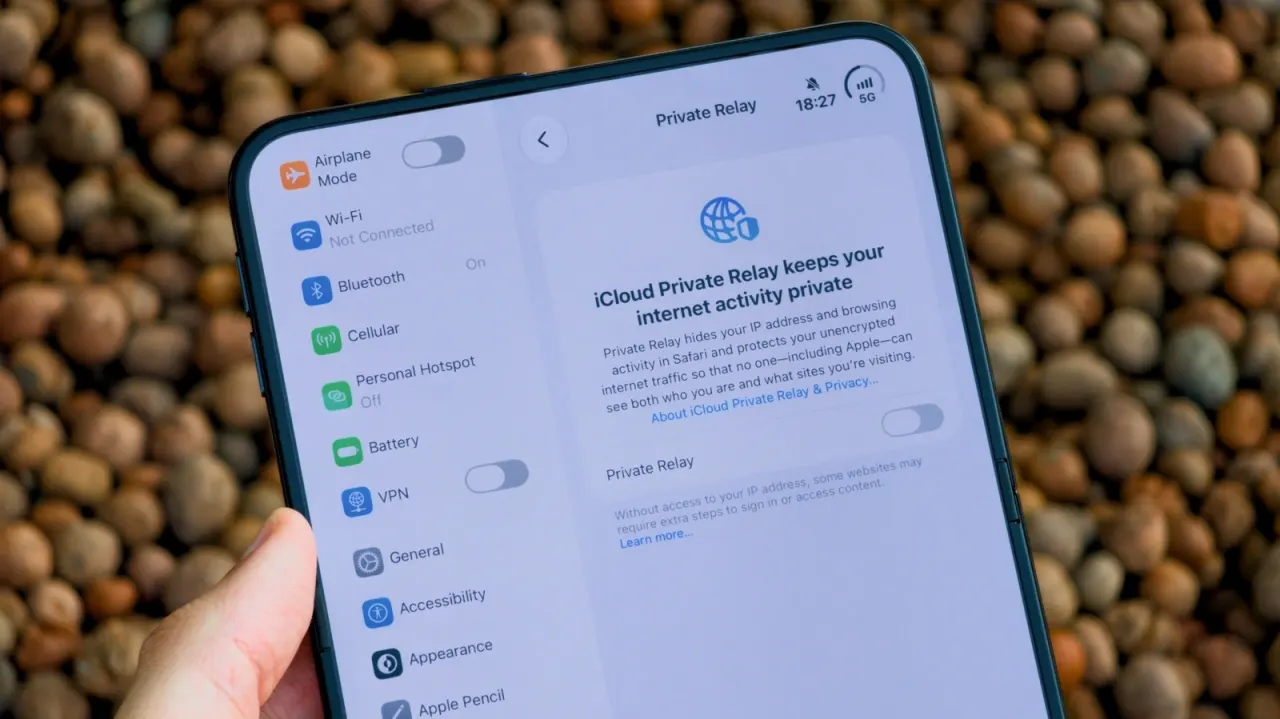
iCloud Private Relay and VPNs both help protect browsing privacy, but they work differently. Private Relay splits Safari traffic between Apple and a network partner, so neither sees both a user’s IP address and the websites they visit; it can make cross-site tracking harder, but does not provide the broader protection of a VPN.
Private Relay is included with iCloud+ and works only in Safari and some app traffic sent over unencrypted HTTP. It does not encrypt all device traffic, let users choose another location to bypass regional restrictions, or work in some countries, including China, Russia and Saudi Arabia. A VPN can cover all apps and devices and may change the apparent location, but it requires trusting the provider; the article advises choosing a reputable service and says Private Relay and a VPN can be used together.
In short
- Private Relay protects Safari traffic through two separate operators.
- VPNs can encrypt traffic from all apps and devices.
- VPN users need to choose a provider they trust.
Steelman: both sides, in good faith
The strongest fair case each way — we don't pick a winner.
The case for
Private Relay offers a privacy benefit with little extra effort for iCloud+ users: it separates knowledge of a person’s IP address from knowledge of the sites they visit, making some tracking harder. For people mainly concerned about Safari browsing and who prefer not to entrust all their traffic to a VPN provider, this narrower, integrated protection may be a sensible choice.
The case against
Private Relay’s limited coverage may leave important privacy needs unmet: it does not protect all device traffic, provide location choice, or work in some countries. A reputable VPN can cover more apps and devices and offer greater control over apparent location, which may better suit people who need broader protection and are willing to trust a VPN provider.
Explained simply
Apple’s iCloud Private Relay and virtual private networks (VPNs) are tools designed to limit what others can learn from someone’s internet use. Private Relay is part of Apple’s iCloud+ subscription and works with Safari, Apple’s web browser, and some unencrypted app traffic. It sends browsing information through two separate services, so neither is meant to see both a person’s internet address and the sites they visit.
A VPN routes internet traffic through a provider’s servers and can cover more apps on a device. It may also make a user appear to be connecting from another place, but that means the provider could handle a broader range of their traffic. The distinction matters for people choosing how to protect their browsing: the tools cover different kinds of activity and involve different trade-offs.
Read the full article at the source →
Originally published by Engadget as “How does iCloud Private Relay’s security compare to VPN alternatives?”.