World news and discussion on TalkFuse.
How does protein intake affect your testosterone? Meat eaters won’t be happy
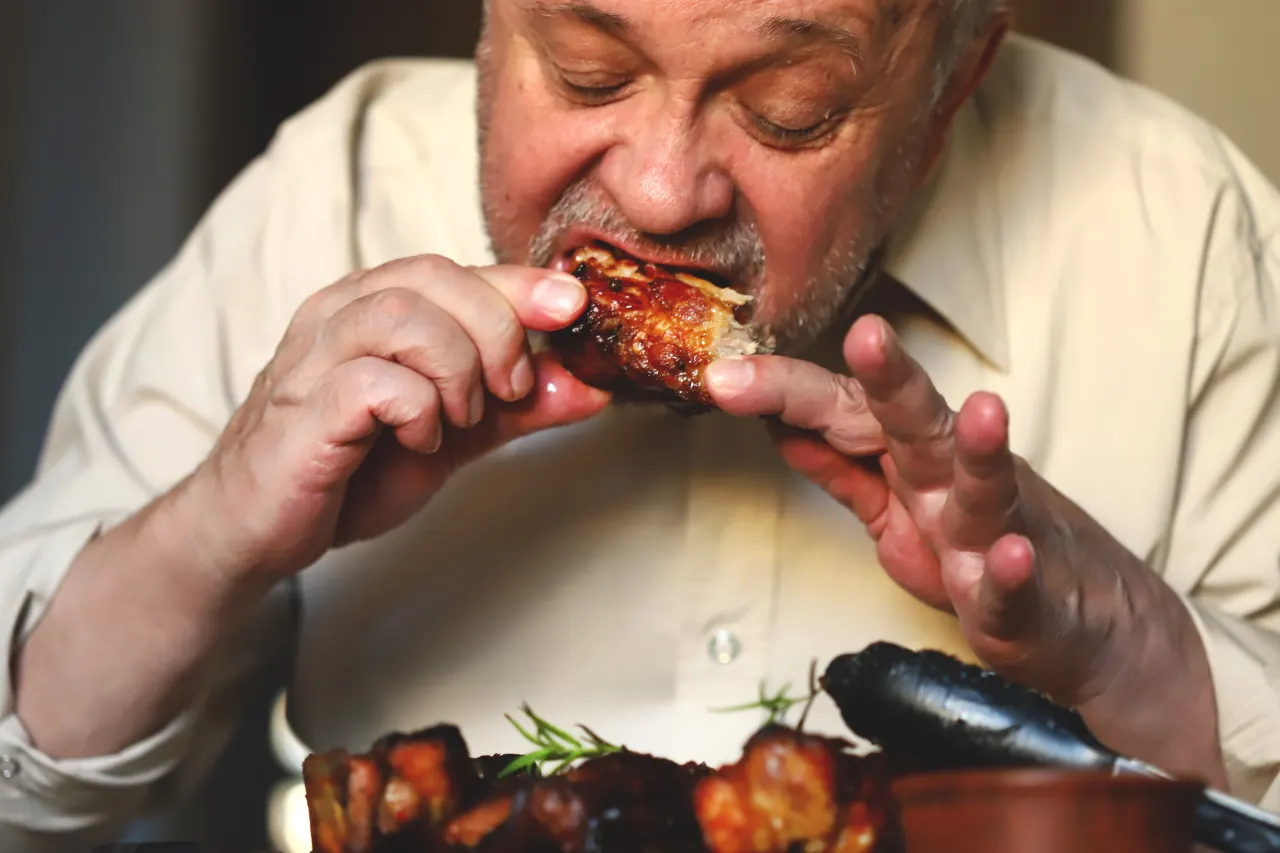
A Finnish study found that men who ate more animal protein tended to have lower testosterone, while those who ate more plant protein tended to have higher levels. The findings suggest that the source of protein may be relevant to hormone health, but they show an association and do not establish that diet caused the differences.
Researchers assessed four days of diet records from 2,546 men aged 42 to 60 and measured their testosterone and sex hormone-binding globulin (SHBG). Men with the highest animal and lowest plant protein intake had testosterone levels 1.2 nmol/L lower, while those with the highest plant and lowest animal intake had levels 1.1 nmol/L higher. The article notes that these groups also differed in factors such as smoking, alcohol use, body mass index and physical activity, which may affect the comparison.
In short
- More animal protein was linked to lower testosterone.
- More plant protein was linked to higher testosterone.
- The study found an association, not proof of cause.
Steelman: both sides, in good faith
The strongest fair case each way — we don't pick a winner.
The case for
The association may be a useful clue that protein sources have different relationships with hormone health, and it supports taking plant-rich diets seriously in future research and dietary guidance. The measured differences across intake groups, alongside plausible effects from other dietary patterns, justify investigating whether replacing some animal protein with plant protein could benefit testosterone levels.
The case against
The study cannot show that protein source caused the testosterone differences: it relied on four days of diet records and compared groups that also differed in smoking, alcohol use, body mass index and activity. The observed association could reflect these or other factors, so it is not strong grounds for concluding that animal protein lowers testosterone or that plant protein raises it.
Explained simply
Testosterone is a hormone involved in male sexual development and other bodily functions. Protein is found in foods such as meat, fish, eggs, beans and lentils, and people can get it from both animal and plant sources.
The Finnish research compared diet records and hormone measurements from men aged 42 to 60. The groups with different mixes of animal and plant protein also differed in habits and health measures, including smoking, alcohol use, weight and physical activity, which can complicate comparisons.
The study can show that protein sources and testosterone levels varied together in this group, but it cannot establish that one caused the other. This distinction matters when considering what the findings mean for diet and hormone health.