World news and discussion on TalkFuse.
How Elephant and Castle risks becoming London’s gentrification ‘patient zero’
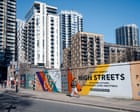
Elephant and Castle's £500m redevelopment, known as "the Elephant", is set to welcome its first commercial tenant this month, marking a milestone in the transformation of the south London landmark once known for urban deprivation. The project has replaced the area's brutalist 1965 shopping centre and the neighbouring Heygate estate with modern towers, shops and a park, but displaced traders say promises that they could return to the area have been broken, raising concerns that the scheme exemplifies a broader pattern of gentrification spreading across London and the UK.
Diana Sach, who ran a Latin American restaurant and deli in the old centre employing more than 30 people, is among roughly 90 displaced Latin American businesses who say developer Get Living and Southwark council failed to provide adequate temporary trading space, with only a handful securing new premises. The new development includes about 40 shops, restaurants and bars, a cinema, a gym, offices, a college campus and hundreds of flats, with residents due to move in later this summer. Academic Oli Mould described the scheme as almost "patient zero" of London's gentrification, warning it risks creating a homogeneous environment that undermines the community it replaced.
In short
- Elephant and Castle's £500m redevelopment opens its first tenant this month
- Displaced Latin American traders say promises of return went unfulfilled
- Academic calls the scheme gentrification's London "patient zero"
Steelman: both sides, in good faith
The strongest fair case each way — we don't pick a winner.
The case for
Urban renewal advocates contend that Elephant and Castle's development addresses real problems—the failing brutalist shopping centre and poor housing standards created genuine deprivation. Modern redevelopment delivers substantial benefits: new housing supply for London's acute shortage, improved public facilities including parks and education campuses, better infrastructure, and job creation. They argue such investment revitalises areas and benefits all residents through improved living standards and economic opportunities.
The case against
Gentrification critics emphasise the human cost of displacement. The broken promises to roughly 90 Latin American businesses and their workers represent not mere commercial disruption but cultural erasure and community destruction. Whilst new facilities benefit incoming affluent residents, original residents face being priced out through rising rents and property costs. Rather than uplifting existing communities, this pattern of redevelopment typically replaces one community with another, destroying the distinctive character that made these areas vibrant.
Explained simply
Elephant and Castle is a south London district once marked by urban deprivation and a distinctive brutalist shopping centre built in 1965. A major redevelopment project known as "the Elephant" has demolished this centre and the nearby Heygate estate, replacing them with modern residential towers, shops, restaurants, offices, a gym and a cinema, with first commercial tenants now arriving.
Around 90 Latin American businesses that operated in the original shopping centre have been displaced, with traders struggling to secure new premises in the area. Business owners such as Diana Sach, who ran a restaurant and deli employing more than 30 people, say they received inadequate temporary trading space and have largely been unable to return. The new development includes roughly 40 shops and restaurants, but few have gone to the displaced traders.
The transformation has raised concerns about urban renewal that displaces established communities and businesses in favour of newer, commercially appealing developments. Academics argue the scheme represents a loss of character and diversity, as the distinctive community is replaced with a more uniform environment designed to attract different customers and residents. This pattern is now visible in other London neighbourhoods and across the UK, prompting questions about who benefits from urban renewal.
Americas Business Culture Food World