How Elephant and Castle risks becoming London’s gentrification ‘patient zero’
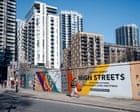
Elephant and Castle's £500m redevelopment, known as "the Elephant", is set to welcome its first commercial tenant this month, marking a milestone in the transformation of the south London landmark once known for urban deprivation. The project has replaced the area's brutalist 1965 shopping centre and the neighbouring Heygate estate with modern towers, shops and a park, but displaced traders say promises that they could return to the area have been broken, raising concerns that the scheme exemplifies a broader pattern of gentrification spreading across London and the UK.
Diana Sach, who ran a Latin American restaurant and deli in the old centre employing more than 30 people, is among roughly 90 displaced Latin American businesses who say developer Get Living and Southwark council failed to provide adequate temporary trading space, with only a handful securing new premises. The new development includes about 40 shops, restaurants and bars, a cinema, a gym, offices, a college campus and hundreds of flats, with residents due to move in later this summer. Academic Oli Mould described the scheme as almost "patient zero" of London's gentrification, warning it risks creating a homogeneous environment that undermines the community it replaced.
- Elephant and Castle's £500m redevelopment opens its first tenant this month
- Displaced Latin American traders say promises of return went unfulfilled
- Academic calls the scheme gentrification's London "patient zero"