How England’s brutal summer heat is affecting farm animals and crops
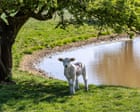
England’s prolonged heatwaves and widespread drought are placing increasing pressure on farms, with livestock suffering in extreme temperatures and grass growth falling sharply. The conditions matter because farmers are losing the summer forage normally stored for winter, potentially raising feed costs and creating longer-term risks for animal welfare and food production.
Grass growth is about half its usual level and has stalled in some areas, forcing some livestock farmers to use winter feed early; milk output is down around 1%, while a shortage of sheep shearers has made keeping flocks cool harder. Fruit growers have seen mixed results: hot, sunny weather has produced smaller but sweeter berries and apples, with plentiful cherries and blueberries and the prospect of a strong cider-apple harvest, although growers remain concerned about water supplies for irrigated crops such as potatoes.
- Drought is reducing livestock feed and increasing winter risks.
- Milk production has fallen slightly amid heat stress.
- Sweet fruit and cider apples are benefiting from sunshine.