World news and discussion on TalkFuse.
FAA outage renews scrutiny of risks in ageing air traffic network upgrades
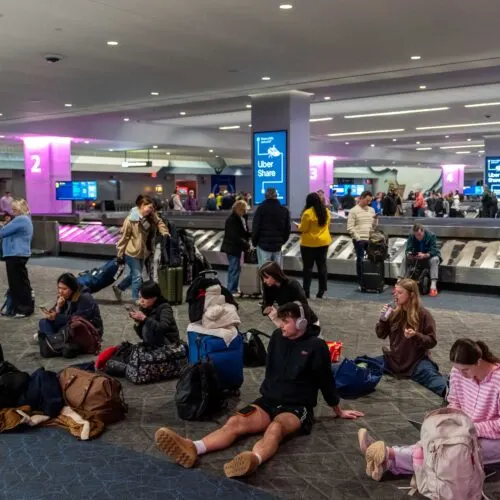
A router outage in the US Federal Aviation Administration’s ageing communications network triggered its third nationwide ground stop, disrupting flights across the country. The incident has raised questions about whether the agency properly assessed the risks of modernising its systems and supervised the contractors carrying out the work.
The outage followed a surge of data that destabilised aircraft communications and radar feeds at 17 of 22 en-route air traffic control centres, as well as some approach and departure facilities. The FAA linked the data flooding to sites in Amarillo, Texas, and El Dorado, Arkansas; L3Harris was replacing a 25-year-old Cisco router with a Juniper model at El Dorado, reportedly without direct FAA oversight. About 3,500 aircraft were told to land, more than one million passengers were affected, and over 12,000 flights were cancelled that day, rising to more than 20,000 over the weekend. The FAA paused the router installations while investigators worked to establish the root cause.
In short
- Router outage prompted a nationwide US flight ground stop.
- More than 20,000 flights were cancelled over the weekend.
- The incident raised concerns about upgrade risks and contractor oversight.
Steelman: both sides, in good faith
The strongest fair case each way — we don't pick a winner.
The case for
The outage exposed the risks of changing infrastructure that supports air traffic control, and the scale of disruption makes scrutiny of the FAA’s planning and contractor oversight reasonable. Advocates of a thorough review would argue that modernisation should include careful testing, clear accountability and contingency plans, especially when a failure can affect safety and travel nationwide.
The case against
A serious outage does not by itself show that the FAA’s modernisation process or contractor supervision was inadequate; investigators have not yet established the root cause. Replacing ageing equipment may be necessary to maintain a reliable network, and pausing installations while the evidence is examined reflects a prudent response rather than grounds for premature blame.
Explained simply
The FAA is the US government agency responsible for managing civilian air travel and air traffic control. Its nationwide network carries the communications and radar data that controllers use to track aircraft and keep flights safely separated.
Parts of that network rely on equipment installed decades ago, so the FAA has been replacing older components with newer technology. Contractors such as L3Harris carry out some of this work, while the FAA remains responsible for overseeing the system and assessing risks during upgrades.
The network serves airports and control centres across the country, so a disruption can affect flights far beyond the site where a problem begins. The incident has drawn attention to how the FAA tests and supervises changes to systems that air traffic depends on.
Read the full article at the source →
Originally published by Ars Technica as “How FAA can modernize US national airspace system without emergency ground stops”.