How Gregg Allman turned late-night despair into the classic Whipping Post. “I didn’t know exactly what I was doing. I just did it.”
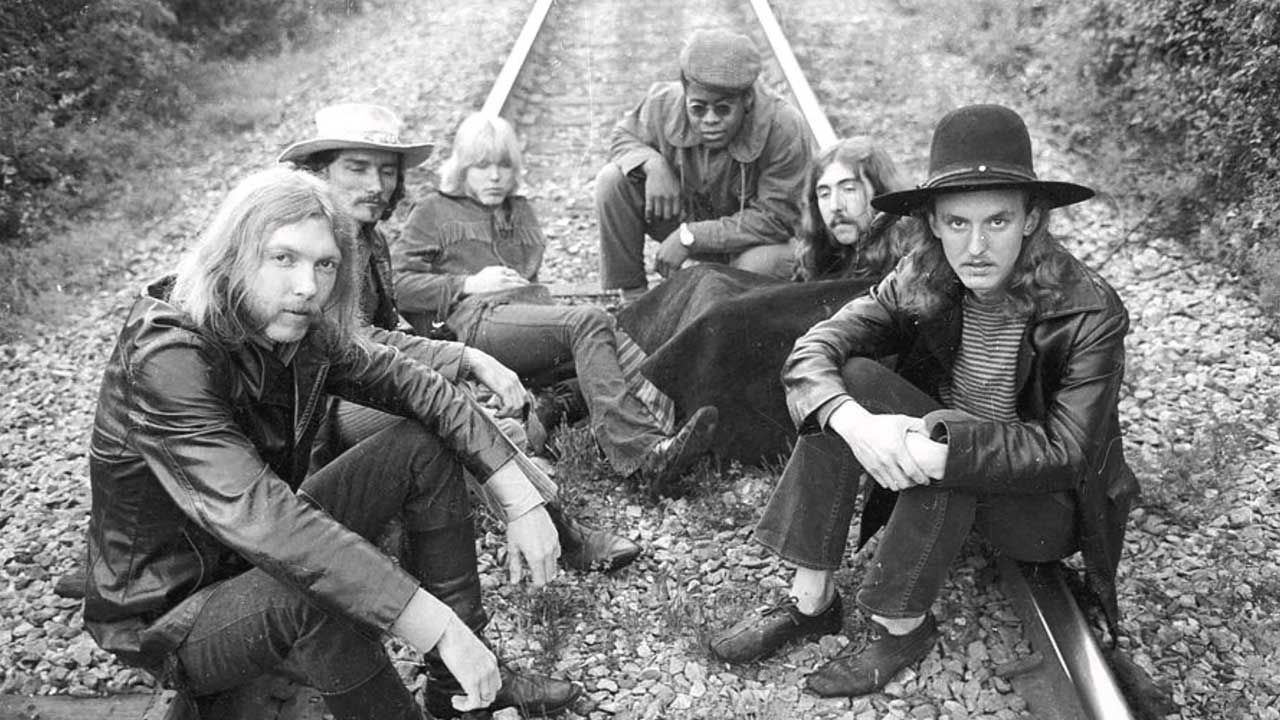
A new feature explores the origins of the Allman Brothers Band's 1969 blues-rock landmark "Whipping Post", tracing how Gregg Allman conceived the song late one night in Jacksonville, Florida, scribbling ideas onto an ironing board cover using a burnt matchstick because he had no paper or pen to hand. The story matters as a piece of music history, illustrating how a spontaneous, almost accidental burst of creativity became one of the defining tracks of Southern rock and a live-performance showcase for the band's musicianship.
Originally a slow, melancholic ballad, the song was transformed by bassist Berry Oakley's now-iconic intro lick and an unconventional shifting time signature (11/8 then 12/8), which Gregg Allman said he "stumbled onto" without fully understanding at the time. Recorded at Atlantic Studios in New York in August 1969 as a five-minute-17-second studio cut, it later became a sprawling live centrepiece that could stretch past 20 minutes, with the 22-minute version on 1971's "At Fillmore East" widely regarded as definitive.
- Gregg Allman wrote "Whipping Post" using an ironing board and burnt matchstick
- Berry Oakley's bass lick reshaped the song from ballad to rock classic
- Studio version ran 5:17; live versions stretched past 20 minutes
New here? Start with this
Gregg Allman was the singer and organist of the Allman Brothers Band, the group that helped define Southern rock in the late 1960s and early 1970s alongside his brother, guitarist Duane Allman, and other members including Dickey Betts and Berry Oakley. The band built its reputation on blending blues, rock and jazz-style improvisation, often stretching songs out into long, exploratory performances rather than sticking to a tight pop structure.
Whipping Post became one of the band's best-known songs and a staple of their live shows, admired for its emotional intensity and its unusual, shifting rhythm. Understanding how it was written, and how far it changed between Gregg Allman's first idea and the finished version the band recorded, sheds light on how much of the group's sound came from collaboration and on-the-spot musical instinct rather than careful planning.
The story matters to fans and to the wider history of rock music because it shows how a chance burst of inspiration, combined with input from other band members, can produce a song that goes on to be regarded as a genre classic.