Entertainment news and discussion on TalkFuse.
How Guns N’ Roses’ 1987 debut very nearly flopped
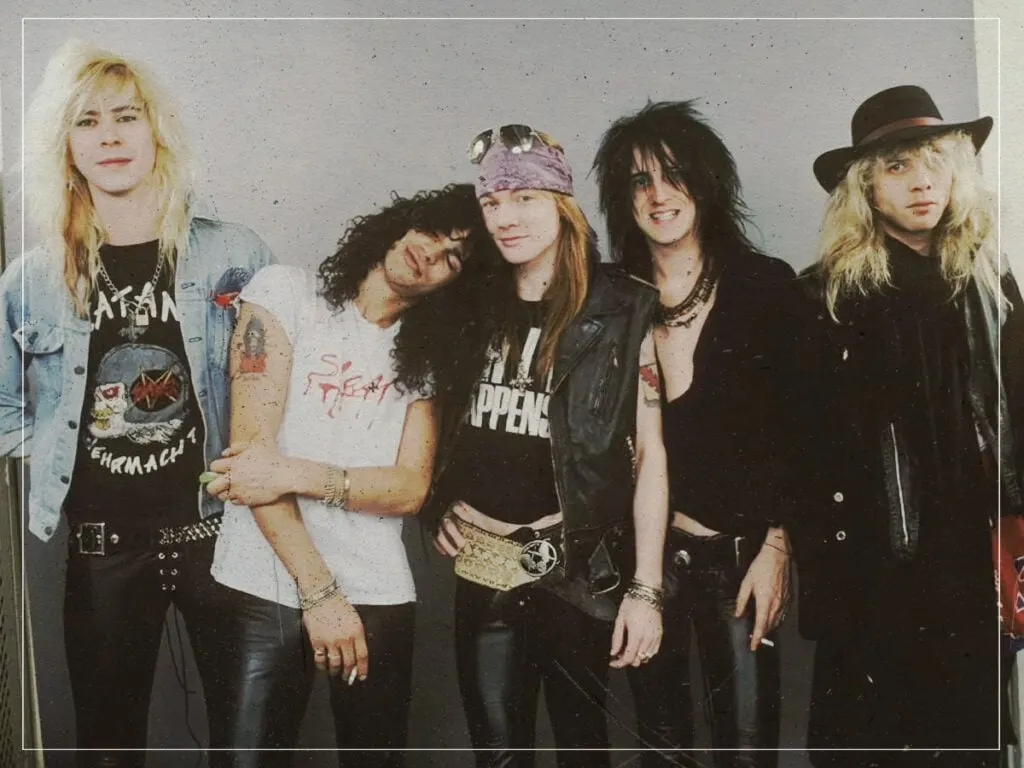
When Guns N' Roses released Appetite for Destruction in July 1987, few anticipated its eventual cultural dominance. The band had generated substantial industry buzz and secured a major record deal following competitive bidding, yet their raw, unpolished sound clashed sharply with the glossy pop-rock dominating radio and MTV at the time. Initial reception proved disastrous, with the album debuting far down the Billboard charts and selling only around 200,000 copies in its first months, prompting the record label to consider cutting its losses.
The trajectory shifted dramatically when MTV finally agreed to broadcast the 'Welcome to the Jungle' music video following weeks of persuasion by a Geffen executive, who negotiated a limited three-night trial run. The response was immediate and overwhelming, with viewers making it one of the most requested videos within days. Radio stations capitalised on this momentum, and the album began climbing steadily, reaching number one within a year. Ultimately, Appetite for Destruction became one of the best-selling debuts in history, with over 18 million copies sold in the United States alone, demonstrating that critical and commercial success do not always align at a work's initial release.
In short
- Guns N' Roses' 1987 debut album flopped initially despite major label backing, debuting at #182 with weak sales
- MTV airplay of 'Welcome to the Jungle' triggered rapid turnaround; album reached #1 within a year and became best-selling debut ever
Explained simply
Guns N’ Roses were a Los Angeles rock band whose members included singer Axl Rose and guitarist Slash. Their debut album, Appetite for Destruction, came out in 1987, when polished pop-rock was popular on radio and MTV, the music television channel.
The album’s rough sound and its early sales fell short of expectations, despite the band’s record deal and industry attention. MTV’s decision to show the video for “Welcome to the Jungle” helped more viewers discover the band, and radio play followed. The album’s later success shows how an audience can take time to find a record.