How House Democrats’ ‘deterrence message’ on Trump jobs could backfire
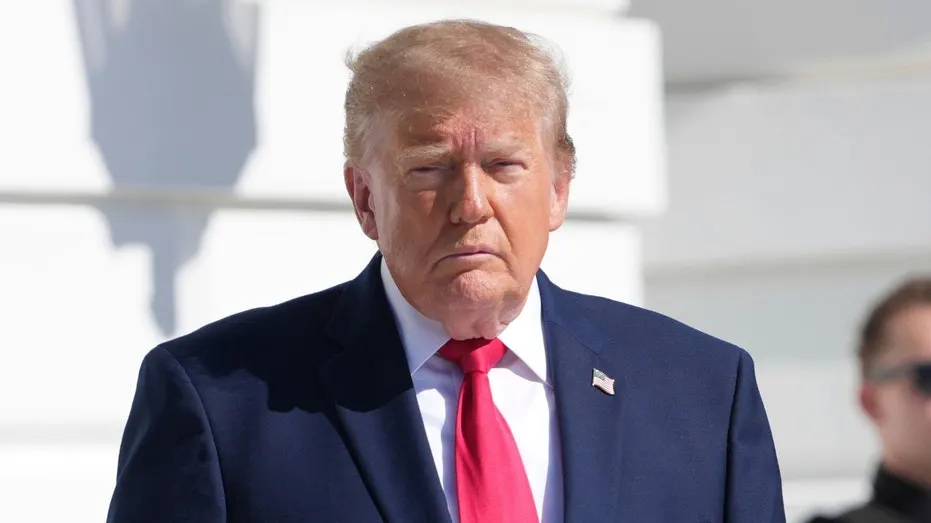
Senator Elissa Slotkin has said Democrats should pursue “signature cases” against Trump administration officials to deter young people from taking jobs in the administration. A former Justice Department prosecutor warns that those comments could be used to challenge congressional subpoenas if Democrats regain control of Congress, potentially complicating investigations they plan to pursue.
Congress can investigate and subpoena witnesses, but the Supreme Court has said those powers cannot be used solely to punish individuals. In its 2020 Trump v. Mazars ruling, it set out four factors for courts to consider, including whether an investigation has a legitimate legislative purpose and whether requests are appropriately limited. A Florida State University law professor countered that partisan motives or members’ public remarks alone are unlikely to invalidate subpoenas; Democrats have also discussed investigating Trump’s business dealings and donors funding a White House ballroom.
In short
- Slotkin’s deterrence remarks could complicate future congressional investigations.
- Courts assess the purpose and scope of congressional subpoenas.
- A law professor says partisan motives alone may not invalidate them.
Steelman: both sides, in good faith
The strongest fair case each way — we don't pick a winner.
The case for
Democrats can argue that investigating alleged misconduct by administration officials is part of Congress’s oversight role, and that pursuing well-supported cases may deter abuses of power. Public remarks about deterrence do not, by themselves, show that a particular subpoena lacks a legitimate legislative purpose, especially when inquiries concern matters such as business dealings or political donations.
The case against
Critics can argue that describing investigations as “signature cases” meant to deter people from taking government jobs risks making oversight appear punitive or politically targeted. If subpoenas are framed around punishing individuals rather than informing legislation, courts could scrutinise their purpose and scope, potentially hindering investigations even where Congress has substantial oversight powers.
Explained simply
Congress has the power to investigate matters relevant to its work and to require people to provide evidence, including through subpoenas. Courts can review those demands, and the Supreme Court has said they must serve a genuine legislative purpose rather than simply punish someone.
In 2020, the court set out factors judges should consider when assessing congressional requests for a president’s records, including whether the inquiry has a proper purpose and whether its demands are suitably limited. These rules matter because a subpoena may be challenged in court, potentially affecting how an investigation proceeds.
Elissa Slotkin is a Democratic senator, and the Justice Department is the US government department responsible for federal law enforcement. If Democrats take control of Congress, they could investigate areas such as Donald Trump’s business dealings; arguments over the purpose of an inquiry could shape what evidence Congress can obtain.