New York households use batteries to keep air conditioning running during grid peaks
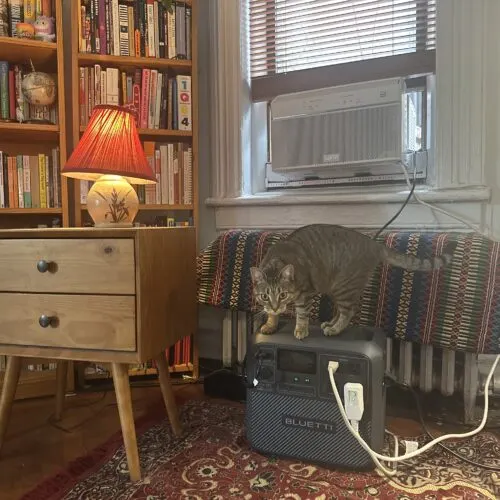
A New York City startup called Every Electric has deployed batteries to roughly 1,000 households to power window air conditioners during peak demand periods, allowing residents to maintain comfort whilst participating in demand response programmes that pay them to reduce electricity use. This approach creates a "virtual power plant" that gives the electrical grid more flexibility and resilience whilst residents stay cool and earn money rather than having to switch their ACs off during heat waves.
Launched by Columbia University researchers in 2023 and rebranded as Every Electric in 2026, the company loans households batteries for a $30 deposit (or $650 to purchase outright) that automatically charge during low-demand nighttime hours and discharge when air conditioners run during peak periods. Residents can earn approximately $150 annually per air conditioner through Con Edison's Smart Usage Rewards programme, with Every Electric splitting earnings from the grid services it provides.
- NYC startup loans cheap batteries to power window ACs during peak demand periods
- Residents keep cool and earn approximately $150 yearly through the demand response programme
- Creates a "virtual power plant" giving the grid more flexibility
New here? Start with this
The electrical grid faces moments of high stress when electricity demand peaks, particularly during hot weather when everyone uses air conditioning. To manage this, utilities run programmes that reward customers for reducing their electricity use during these periods. However, residents often face a choice between staying cool and earning money by switching off their air conditioners.
A startup called Every Electric has developed an alternative using batteries. Households receive batteries that store electricity when demand is low and cheap at night, then release that stored power to run air conditioners during peak periods. This means residents can maintain their comfort whilst still participating in these reward programmes and earning money.
Every Electric was founded by Columbia University researchers and provides batteries for a £30 deposit or £650 to purchase. Residents earn approximately £150 annually per air conditioner from Con Edison's rewards scheme. Every Electric also earns money by using these batteries to help manage the electricity grid during peak demand.
Both sides, in good faith
The strongest fair case each way — we don't pick a winner.
The case for
This is an elegant solution to a genuinely difficult problem: demand response is essential for grid stability and renewable energy integration, yet traditional programmes require households to abandon air conditioning during heat waves, disproportionately harming vulnerable populations. Every Electric's battery approach eliminates this false choice, enabling residents to maintain comfort whilst earning $150 annually and supporting grid flexibility. By making grid services accessible to ordinary households rather than just large industrial users, this programme democratises energy markets and aligns economic incentives with environmental and grid stability, creating genuine win-wins as the model expands from today's 1,000 households.
The case against
Whilst innovative, this approach raises legitimate concerns about equity that merit scrutiny. The $30 deposit and $650 purchase price, combined with geographic limitations, restrict access to relatively affluent households, potentially excluding the poorest populations most vulnerable to extreme heat. Moreover, households surrender meaningful autonomy: batteries discharge automatically for grid purposes regardless of personal preference, and without transparent disclosure of how Every Electric's profits compare to resident earnings, it remains unclear whether the arrangement fairly compensates households or primarily benefits the corporation. Whether this model can genuinely scale to serve all households rather than remaining a service for the already-advantaged remains an open question.
Read the full article at the source →
Originally published by Ars Technica as “How I kept cool with NYC’s free battery program for window AC units”.