How I miss the old Cold War – Britain was stronger then and the world felt so much safer: PETER HITCHENS
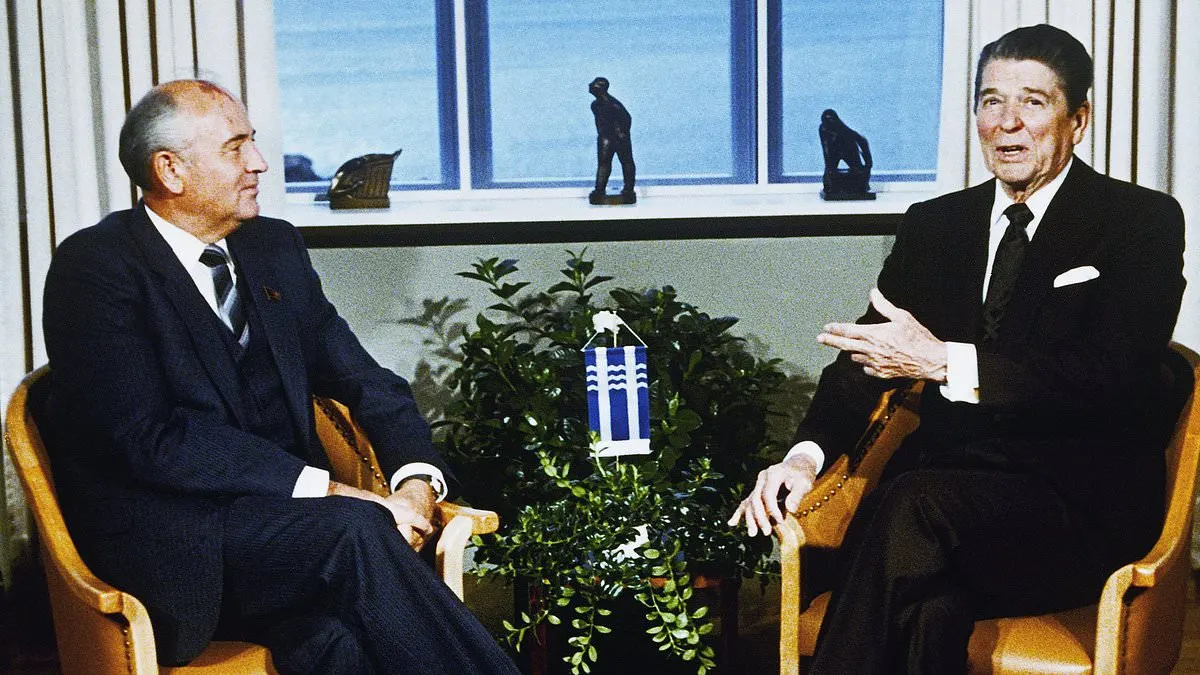
Peter Hitchens argues that Britain felt safer, freer and better defended during the Cold War, and says he longs for its return amid current warnings about Russia and doubts over defence spending. He recalls the 1986 Reykjavik summit, where Ronald Reagan and Mikhail Gorbachev came close to agreeing on the elimination of nuclear weapons, and says he was relieved when the talks failed.
Hitchens describes his reporting during that period, including visits to British forces and a nuclear submarine, as evidence of a confident and well-equipped country. He contrasts that with today’s wider spread of nuclear weapons and a less certain sense of security, while noting that the 1987 treaty signed by Reagan and Gorbachev brought the Cold War to an end.
- Hitchens says Britain felt safer during the Cold War.
- He recalls the 1986 Reykjavik summit.
- He links today’s insecurity to wider nuclear proliferation.
New here? Start with this
The Cold War was a long period of rivalry between the United States and the Soviet Union, which lasted from the end of the Second World War until the early 1990s. Britain was a close ally of the US and hosted troops and nuclear weapons as both sides prepared for the possibility of war.
The threat of nuclear attack shaped defence policy and daily life, even though the two superpowers never fought each other directly. In 1987, US President Ronald Reagan and Soviet leader Mikhail Gorbachev signed a treaty banning a class of nuclear missiles; the Soviet Union later broke up, bringing the Cold War to an end.
Debates about Britain’s military strength and the risks posed by Russia draw on that history. Comparing the Cold War with today raises questions about how secure Britain is and what role its armed forces and nuclear weapons should play.
Both sides, in good faith
The strongest fair case each way — we don't pick a winner.
The case for
A thoughtful case for Hitchens’s view is that the Cold War gave Britain a clearer sense of the threats it faced and a strong, well-funded defence posture to deter them. The danger of direct confrontation was real, but a stable balance of power may have made the risks more predictable, and people could feel safer when the country seemed prepared.
The case against
A thoughtful opposing case is that the Cold War was not a safer world: nuclear arsenals and repeated crises created a persistent risk of catastrophic war, while the apparent stability of deterrence depended on leaders avoiding miscalculation. Its end reduced that immediate confrontation, and today’s uncertainties do not make the earlier era one to welcome back; Britain’s confidence and preparedness can be pursued without reviving the rivalry.