Microsoft’s magnetic Surface charger doubles as a USB-C port
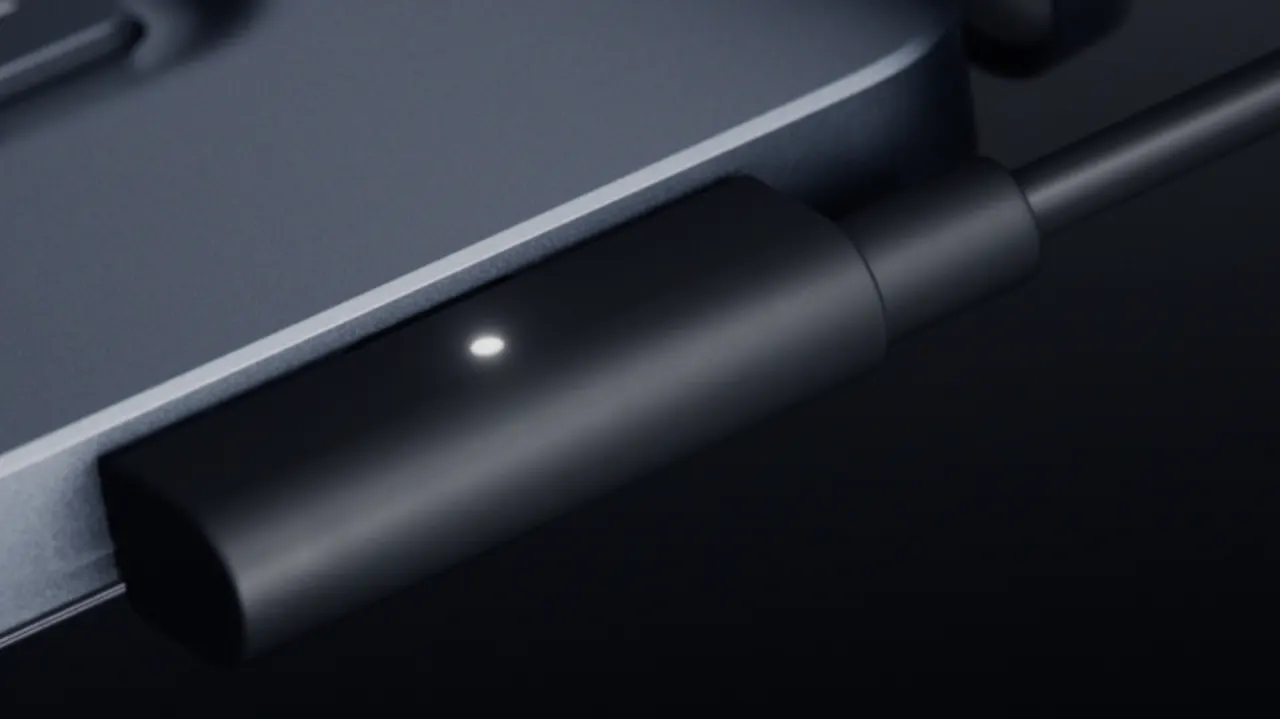
Microsoft has introduced Magnetic Connect on its Surface Laptop Ultra, combining a magnetic charger with a USB-C port that can also connect peripherals. The design aims to make charging easier and reduce the risk of a laptop being pulled off a desk by a snagged cable, while preserving a useful port when the charger is unplugged.
Unlike Apple’s proprietary MagSafe connector, Magnetic Connect uses USB Power Delivery and a custom magnetic cable, so the port can serve other USB-C functions. The Surface Laptop Ultra also has two other USB-C ports, HDMI, USB-A, an SD card reader and a headphone jack. Microsoft says it hopes to lead a wider ecosystem, though it has not announced licensing plans; USB Power Delivery’s 240W limit may also rule it out for some high-powered gaming laptops.
- Magnetic Connect pairs magnets with a USB-C port.
- The port can connect peripherals when not charging.
- USB Power Delivery’s 240W ceiling limits some gaming laptops.
New here? Start with this
Laptop charging cables present a safety problem: if snagged or stepped on, they risk damaging the port or pulling the device from a desk. Manufacturers need to fit many functions into limited port space, and charging typically claims one dedicated connection. Magnetic charging cables solve this by disconnecting safely when pulled, rather than causing damage.
Apple popularised magnetic charging with MagSafe on its MacBooks, and other manufacturers have since developed their own magnetic systems. However, most magnetic chargers are designed purely for power delivery and do not perform other functions. Meanwhile, USB-C has become a standard connector for charging and data across many devices from different companies.
Some manufacturers have begun exploring whether magnetic charging could be combined with standard protocols like USB-C, offering both safety and port flexibility. Such a design would prevent cables from damaging equipment when snagged, whilst keeping the port available for data and other uses when disconnected. This approach could preserve valuable port space whilst delivering both protection and functionality on compact devices.
Read the full article at the source →
Originally published by Engadget as “How is Microsoft’s Magnetic Connect different from Apple’s MagSafe for MacBooks?”.