Jonathan’s genome reveals clues to resisting ageing and living longer
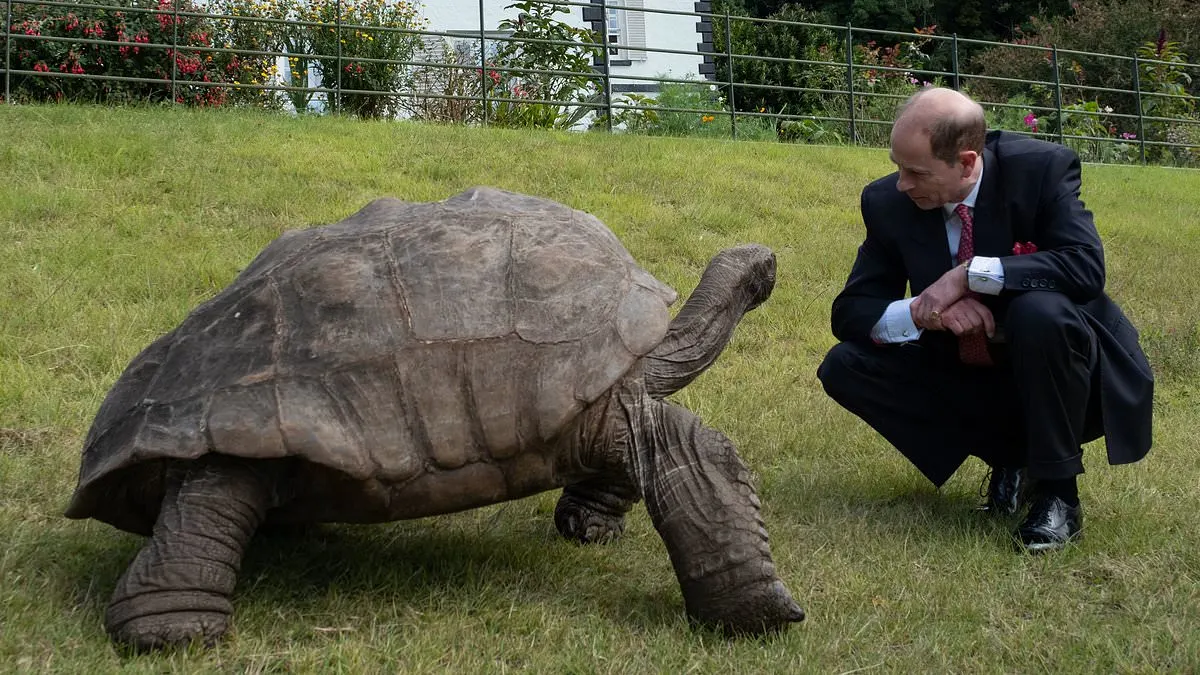
Jonathan, a 194-year-old giant tortoise approaching his 195th birthday, has revealed clues about resisting ageing after scientists sequenced his complete genome. The discovery that parts of his biological machinery, particularly his mitochondria, function with the vigour of much younger animals offers valuable insights into how certain creatures resist the effects of age, with potential implications for understanding human longevity.
Researchers extracted DNA from Jonathan's cheek using a swab and published their findings in the journal Science Advances, identifying genetic variants associated with DNA repair, metabolism regulation and cancer protection. Most notably, the chemical patterns regulating his mitochondrial function, the structures that supply energy to cells, resembled those of considerably younger tortoises, despite his extraordinary age. Jonathan, who has lived on the remote South Atlantic island of St Helena since 1882 when he arrived already fully grown, also shares longevity-related genes with other exceptionally long-lived species such as naked mole rats.
- 194-year-old tortoise Jonathan's genome reveals youthful mitochondrial function despite his age
- Genetic analysis shows variants for DNA repair and cancer protection linked to longevity
- Findings could help scientists understand how to extend human lifespan and resist ageing
New here? Start with this
Jonathan is an exceptionally old tortoise living on the island of St Helena in the South Atlantic, where he has lived since 1882. At 194 years old and approaching his 195th birthday, he is one of the oldest living creatures on Earth. Scientists have now sequenced his complete genome to understand how he has lived for so long.
By studying Jonathan's DNA, researchers have identified genetic features that seem to help him resist ageing. His cells, particularly the structures called mitochondria that provide energy to the body, function with the vigour of much younger animals despite his extreme age. These findings could help scientists understand how creatures achieve such remarkable lifespans.
Jonathan shares genes associated with long life with other exceptionally long-lived creatures, including naked mole rats, suggesting certain genetic patterns may help protect against ageing. The research was published in the journal Science Advances. The findings could eventually provide insights into human ageing and longevity.
Read the full article at the source →
Originally published by Daily Mail as “How Jonathan the giant tortoise can offer clues on helping humans live longer… as he’s set to celebrate his 195th birthday”.