Health news and discussion on TalkFuse.
Expect a Fitbit to remain useful for around five years
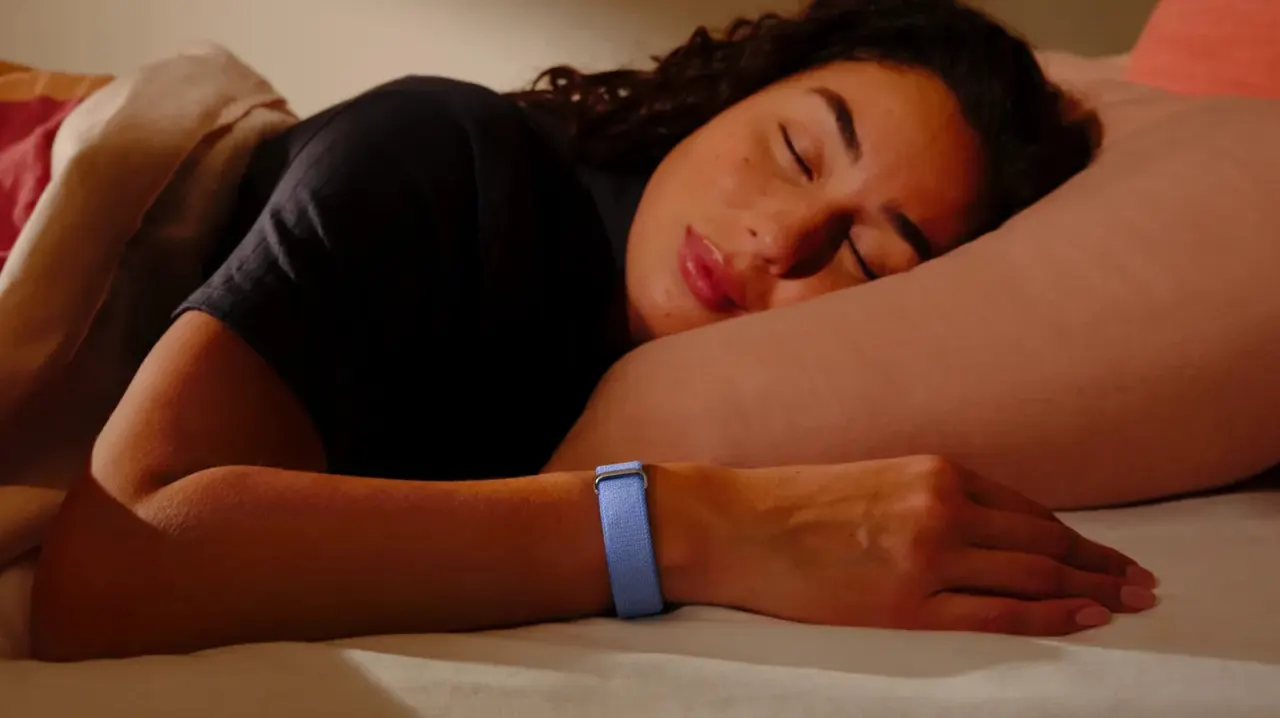
A new Fitbit’s useful life depends on more than whether it survives knocks or water: battery degradation and dwindling software support can make it impractical sooner. The article estimates that owners should realistically expect around five years, while stressing that the actual lifespan varies by use and device.
Water-resistant seals can wear down with repeated exposure to moisture, and lithium-ion wearable batteries typically manage about 300 full charge cycles. Charging weekly could theoretically mean more than five years, but declining capacity may make a tracker inconvenient earlier; most Fitbit batteries are not replaceable. Google says it provides security updates for at least two years after a product leaves sale, while features and app compatibility may change sooner.
In short
- A new Fitbit may be useful for about five years.
- Battery capacity, water seals and software support affect its lifespan.
- Security updates continue for at least two years after a model leaves sale.
Explained simply
Fitbit is a range of wrist-worn devices that track activity, sleep and other health-related measures, and connect to a phone app. Google owns Fitbit and provides software and security support for its products.
A tracker can become harder to use as its battery holds less charge or its water-resistant seals wear down. Most Fitbit batteries cannot be replaced, and software support and compatibility with phone apps can also affect how long a device remains practical. The lifespan varies with the model and how it is used.
Fitness Health Software Technology
Read the full article at the source →
Originally published by Engadget as “How long is a new Fitbit actually supposed to last?”.