How long is a new iPhone actually supposed to last?
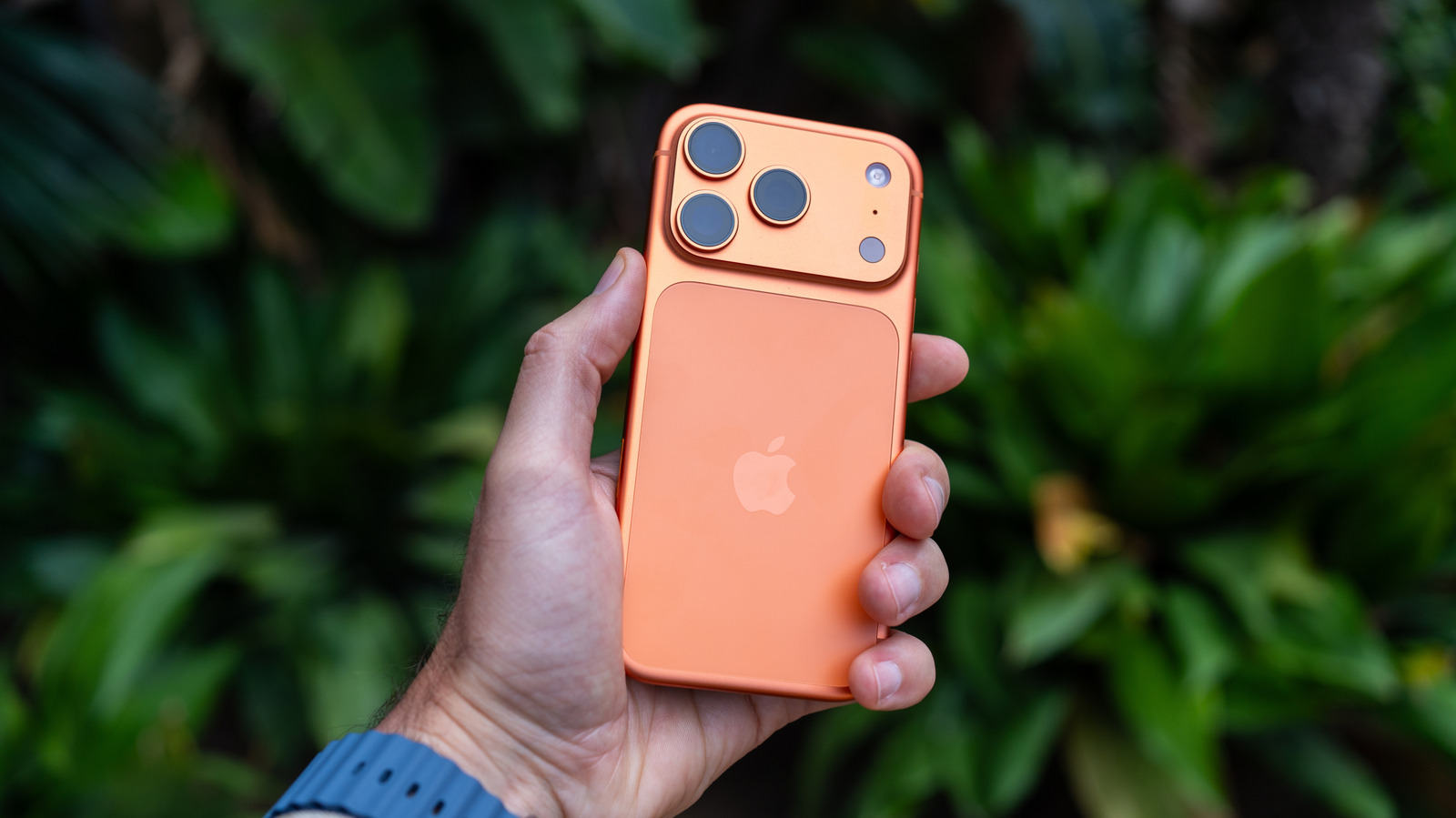
Apple has a strong reputation for iPhone longevity, driven largely by lengthy software support and durable hardware, meaning many users can comfortably keep their device for five years or more. This matters as Apple reportedly prepares to raise iPhone prices amid tighter memory supplies, making the case for holding onto an existing handset, or timing an upgrade wisely, more relevant than ever.
Apple recently confirmed at WWDC 2026 that its newest iOS version will still support the iPhone 11, a device from 2019, and newer models like the iPhone 16 or 17 should remain supported until at least 2031. Battery degradation is typically the first real limiting factor, with iPhone 15-series batteries designed to retain around 80% capacity after 1,000 charge cycles, though a replacement can often restore performance before other ageing hardware, such as slower processors, becomes the bigger constraint. Build quality has also improved, with modern iPhones proving resistant to everyday wear even without a case, reinforcing the trend of owners keeping devices for half a decade or longer with only a battery swap needed along the way.
- iPhones typically last 5+ years thanks to software and hardware durability
- iOS updates now stretch back to support the 2019 iPhone 11
- Battery health below 80% is usually the main reason to upgrade