Human review remains vital when AI translation errors could have serious consequences
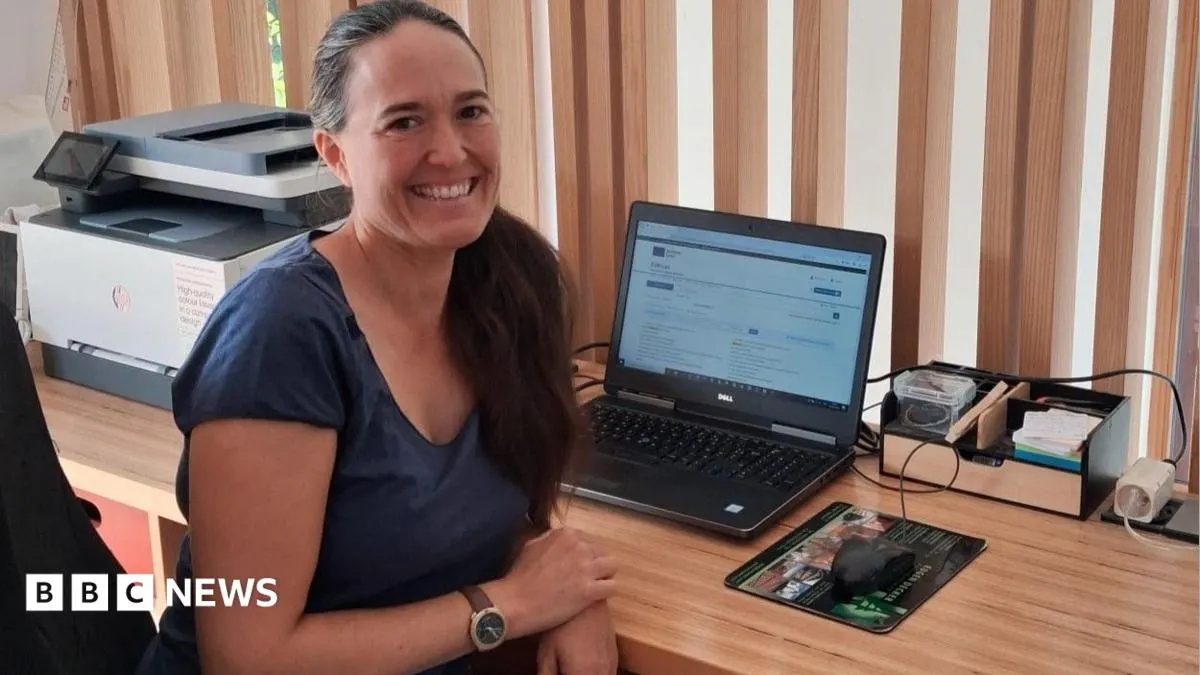
Google Translate processes one trillion words a month, and AI translation is increasingly used because it can make translating large volumes far cheaper and faster. But the article asks whether improving machine output means human translators can be removed, especially where a mistake could have serious consequences.
Examples show why human review still matters in some settings: an AI mistranslated legal terms in court documents, and a medical translation confused micrograms with milligrams, a thousandfold difference. Wikipedia translation group OKA has published more than 10,000 articles using AI drafts checked sentence by sentence by humans, while its founder says the prose increasingly needs little correction.
- Google Translate handles one trillion words monthly.
- AI can cut translation costs, but mistakes remain.
- Human checks matter most in legal and medical work.
New here? Start with this
Translation is the process of carrying meaning from one language into another. Services such as Google Translate use artificial intelligence to produce translations quickly and cheaply, making it possible to handle far more text than a person could translate alone.
The key question is how much people should rely on these systems, particularly in law and medicine, where a small wording or number error can have serious effects. Human translators can check whether a translation preserves the meaning and fits its context.
Some groups use AI to prepare drafts and have people review them sentence by sentence. Their experience shows how the roles of machine tools and human translators can work together, while raising questions about when review is needed.
Both sides, in good faith
The strongest fair case each way — we don't pick a winner.
The case for
AI translation can make information available faster and at far lower cost, including across large volumes that would be impractical to translate entirely by hand. As the output improves, relying on human translators for routine or low-risk material may divert expertise from cases that need it most, while human checks of AI drafts can preserve quality at scale.
The case against
Fluent output can still contain errors that are hard to spot and potentially severe, as the legal and medical examples show. In high-stakes settings, human translators can apply context and subject knowledge, catch consequential mistakes, and provide accountability; the efficiency gains from AI do not by themselves show that human review is dispensable.
Read the full article at the source →
Originally published by BBC Technology as “How long will humans be needed for translation?”.