World news and discussion on TalkFuse.
How Mark Ruffalo’s ‘Task’ Monologue Became the Heart of the Emmy-Nominated HBO Drama
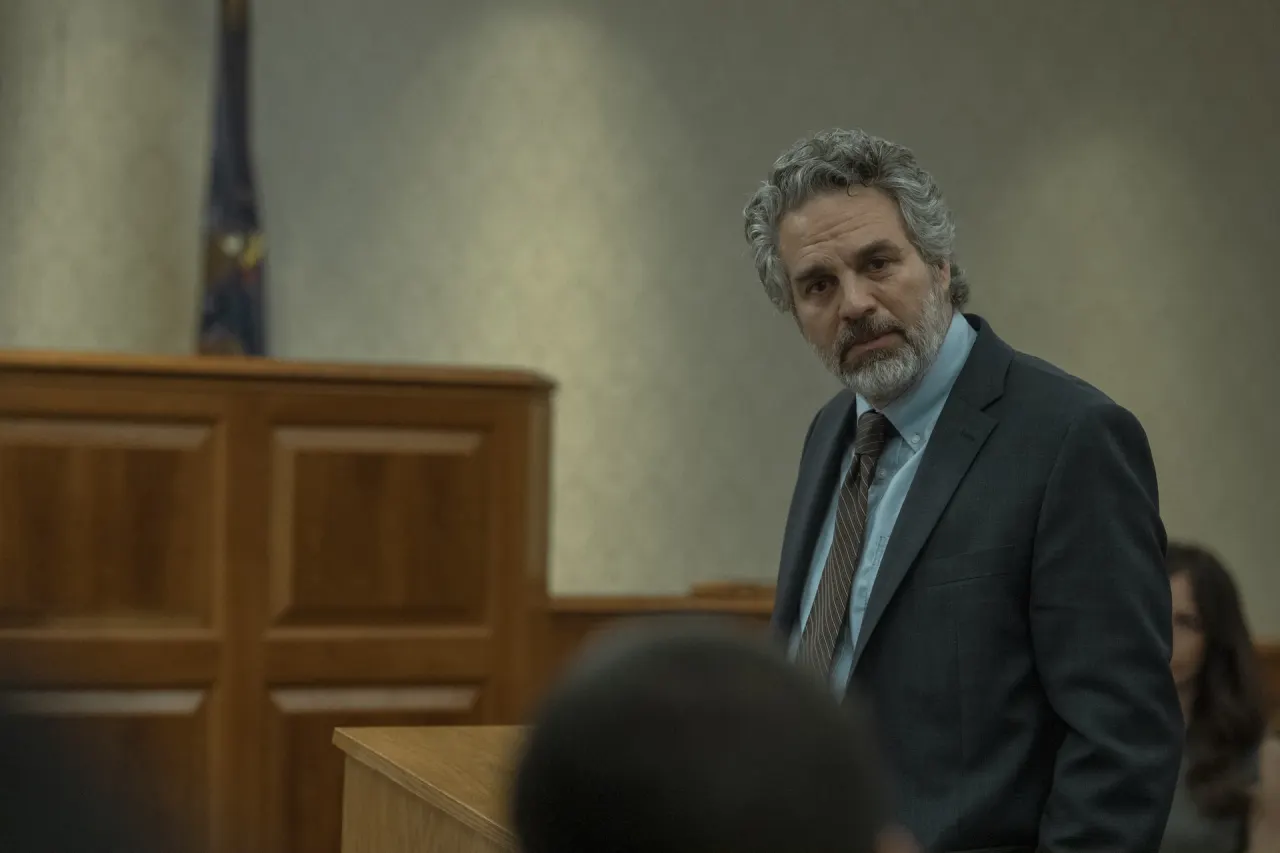
HBO's 'Task,' created by Brad Ingelsby, is an Emmy-recognised drama that examines moral complexity through protagonist Tom Brandis, a former clergyman leading an FBI investigation in rural Pennsylvania. The series gained attention whilst exploring themes of justice and redemption, particularly as Brandis confronts a devastating family situation involving his adopted son's responsibility for his wife's death.
The emotional core of the narrative emerges through an extended monologue performed by Mark Ruffalo (Emmy-nominated for the role), in which his character wrestles with forgiveness and whether to seek leniency for his son. To bring authenticity to this moment, the production team invested a full day of filming from multiple camera positions. Director Jeremiah Zagar employed varied visual perspectives to convey the character's internal struggle, and the episode earned several Emmy nominations honouring the contributions of the writing, directing, and editing teams.
In short
- HBO's Emmy-nominated drama 'Task' follows a former priest managing an FBI investigation whilst facing a family crisis involving his adopted son
- A lengthy monologue by Mark Ruffalo becomes the emotional core, exploring themes of forgiveness and redemption
- The production devoted a full day to film the sequence with multiple camera angles, earning Emmy nominations for writing, directing, and editing
Explained simply
HBO is the US television network behind Task, a drama created by Brad Ingelsby and set in rural Pennsylvania. Mark Ruffalo plays Tom Brandis, a former clergyman who leads an FBI investigation. The story brings his work and personal life together through a crisis involving his adopted son and the death of his wife.
The series explores how people weigh justice, family loyalty and forgiveness. Brandis’s struggle over whether to seek leniency for his son gives the drama a personal dimension, while Ruffalo’s performance is central to that conflict. Filming and directing choices help shape how viewers see Brandis’s changing emotions.
Americas Art Culture Entertainment TV World