Entertainment news and discussion on TalkFuse.
How Metallica won the last laugh at Glastonbury 2014
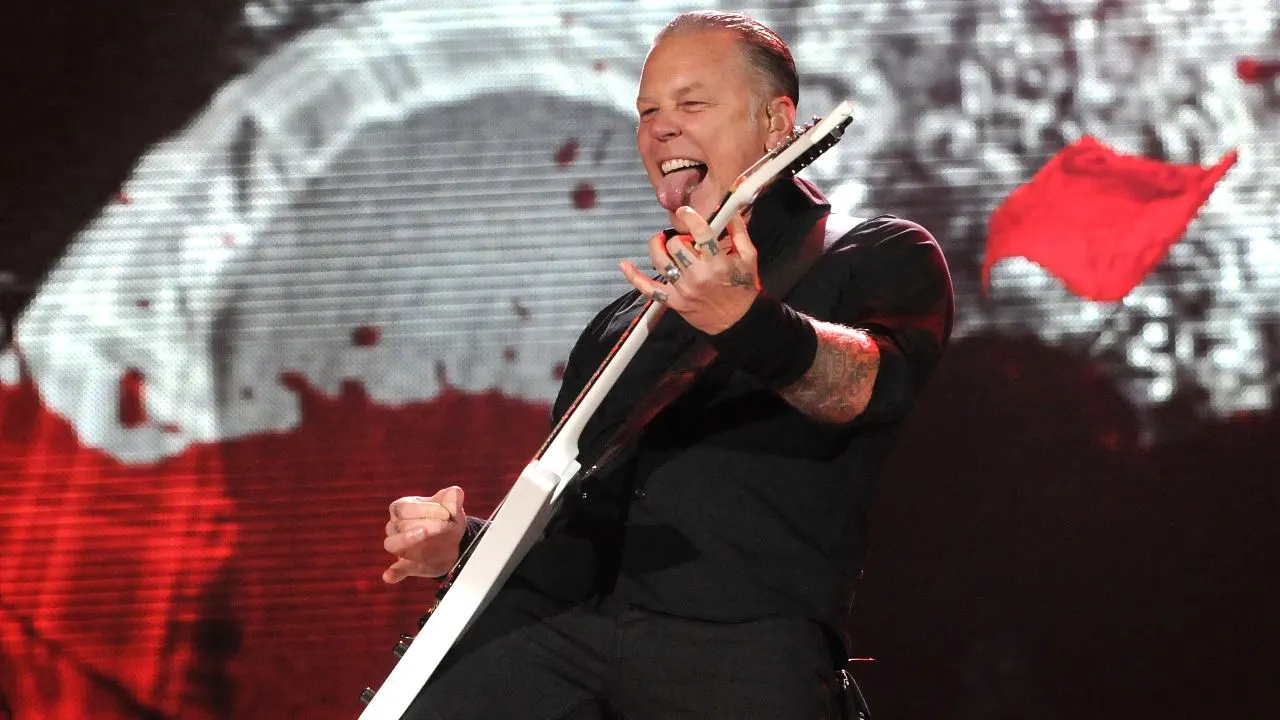
Metallica headlined Glastonbury on 28 June 2014, becoming the festival’s first metal headliner after a noisy debate over whether they belonged there. The article argues that the band answered critics with humour and a forceful performance, showing why they remained one of the world’s biggest metal acts.
Before the set, they wore a T-shirt printed with negative reviews, screened a Julian Temple film that alluded to James Hetfield’s past involvement in bear hunts, and dedicated “Sad But True” to British metal bands still hoping to play the Pyramid Stage. Their rainy-night performance lasted about 100 minutes; the article says it was not their best gig, but that “Creeping Death” helped settle the argument.
In short
- Metallica became Glastonbury’s first metal headliners in 2014.
- The band turned criticism into jokes and pointed gestures.
- A 100-minute set helped answer doubts about their place at the festival.
Steelman: both sides, in good faith
The strongest fair case each way — we don't pick a winner.
The case for
Metallica’s headline set could be defended as a bold extension of Glastonbury’s musical range: a major metal act brought a forceful live show to an audience beyond its usual fan base. Their jokes about the criticism and tribute to British metal bands also turned the controversy into a playful celebration of a genre rarely given the Pyramid Stage.
The case against
Critics could reasonably argue that Glastonbury’s headline slot should reflect the festival’s particular identity and that Metallica’s scale and style did not fit what many attenders value in its main stage. The controversy over Hetfield’s past involvement in bear hunts also gave audiences grounds to question the choice, while the article itself describes the rainy-night set as short of the band’s best.
Explained simply
Glastonbury is a major British music festival, best known for its wide-ranging line-up and huge Pyramid Stage. Metallica are an American heavy metal band whose loud, guitar-driven music made them one of the genre’s biggest acts.
Their 2014 booking prompted debate about whether a metal band belonged among the festival’s headliners. The argument reflected differing expectations of Glastonbury: some see it as a home for many kinds of music, while others have a narrower idea of what its main stage should represent.