How more than 200 unaccompanied migrant children arrive by boat in Dover EVERY MONTH…and they’ll cost Britain millions
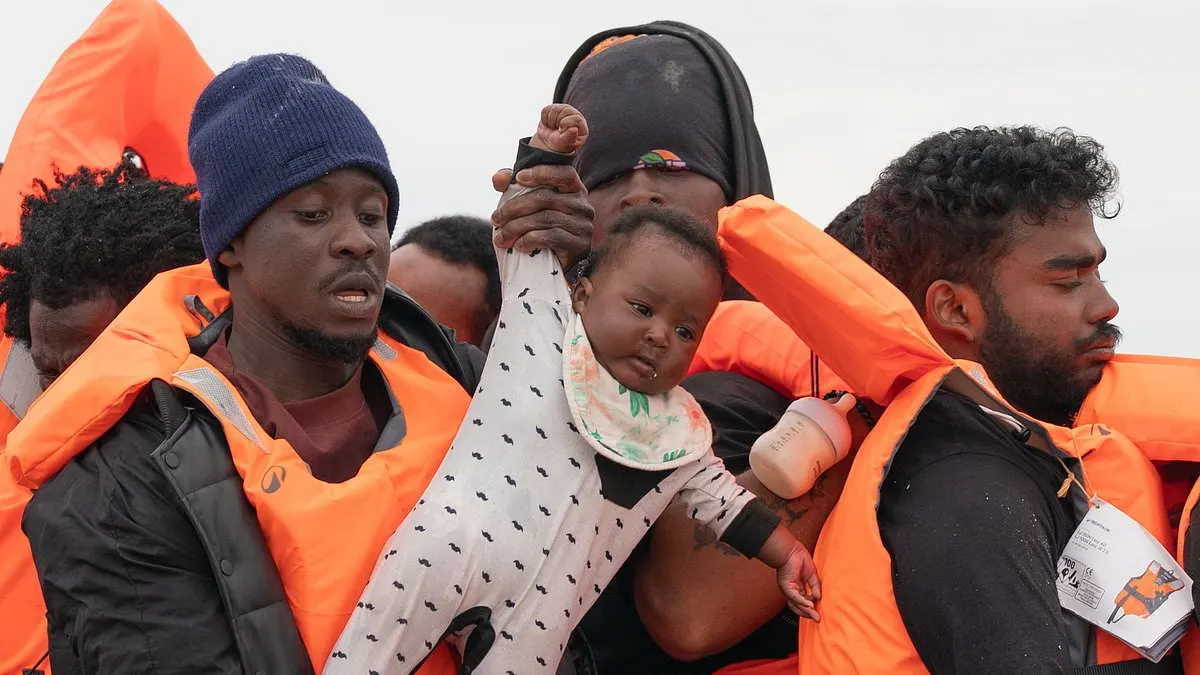
Kent County Council figures show that 2,182 unaccompanied children have crossed the Channel to Dover since January, averaging more than 200 a month. The arrivals have prompted concern about children travelling without parents and the cost of providing them with care.
Most are reported to have crossed by boat, though some arrived in lorries on ferries. Home Office figures put the cost of housing and supporting an unaccompanied child at £143 a night, or about £52,000 a year; the article estimates care until age 18 could cost more than £780,000 for a child arriving at three.
In short
- 2,182 unaccompanied children reached Dover since January.
- Most made the Channel crossing by boat.
- Care costs about £52,000 per child each year.
Steelman: both sides, in good faith
The strongest fair case each way — we don't pick a winner.
The case for
Unaccompanied children need protection and stable care, whatever route brought them to Britain. Supporters of providing that care argue that councils have a duty to safeguard vulnerable young people, and that the reported costs reflect housing, supervision and services needed to keep them safe and help them settle.
The case against
The scale and cost of caring for arrivals can place substantial pressure on local authority budgets and services, particularly when councils have limited capacity. Those concerned may argue that the Government should reduce unsafe crossings, improve the handling of claims and share costs fairly, while ensuring that support arrangements are sustainable.
Explained simply
Unaccompanied children are people under 18 who arrive in the UK without a parent or other responsible adult. Some reach Kent by small boat across the Channel, while others travel in vehicles carried on ferries. Kent County Council is responsible for arranging care for children who arrive in its area, while the Home Office sets national policy on immigration and asylum.
Councils must provide children with accommodation and support while their circumstances are assessed and longer-term arrangements are made. The cost depends on each child’s age, needs and how long they require care. The issue involves both the safety and welfare of children travelling alone and the public resources needed to support them.