Business news and discussion on TalkFuse.
How ‘Never After Dark’ Dodges Horror Clichés: Shoot Well-Lit Scenes, Challenge Conventional Storytelling and ‘Pull the Rug Out From Under People’
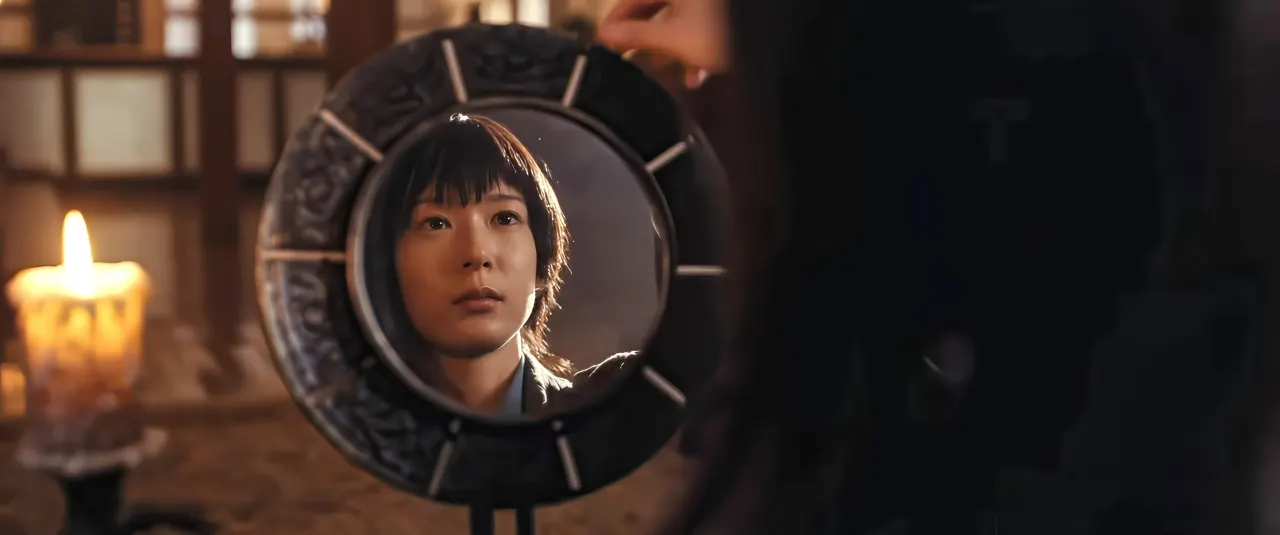
"Never After Dark," a horror film directed by Dave Boyle, opens in cinemas this Friday and challenges genre conventions by using well-lit, daytime scenes rather than relying on darkness and shadows. Boyle intentionally subverts familiar haunted-house tropes by creating unexpected narrative turns and introducing an original belief system for the spiritual exorcism depicted in the film. The film follows a medium named Airi tasked with exorcising a house, with surprise plot developments integral to Boyle's creative vision.
An American director, Boyle filmed the project entirely in Japan with Japanese-speaking actors, building on relationships formed during his work on Netflix's "House of Ninjas." He worked closely with Japanese producer and actor Kento Kaku as his primary creative partner, with extensive collaborative script work conducted in Japanese to ensure authenticity. Boyle learned Japanese during a Mormon mission at 19 and has maintained long-term professional relationships with Japanese artists, approaching this project with deliberate cultural humility.
In short
- Horror film challenges genre with bright lighting and surprising narrative twists
- American director shot in Japan with authentic Japanese cast and crew
- Heavy script collaboration between director and Japanese creative partner for authenticity
Steelman: both sides, in good faith
The strongest fair case each way — we don't pick a winner.
The case for
The filmmaker's creative choice to challenge horror conventions through well-lit, daytime scenes and unexpected narrative turns can generate fresh psychological engagement with audiences and break new ground for the genre. His genuine commitment to cross-cultural partnership—learning Japanese, building long-term professional relationships, and developing the script collaboratively in Japanese—indicates authentic creative dialogue with Japanese artists rather than Western imposition, suggesting that such international collaborations can be respectful and mutually beneficial.
The case against
Horror's psychological power rests partly on specific visual and atmospheric conventions—darkness, shadows, building dread—that audiences expect and that trigger ingrained responses; subverting these core elements risks undermining the genre's fundamental effectiveness. Additionally, structural questions about cross-cultural production authority remain valid: even with sincere collaboration and cultural learning, a Western director leading a film centred on another culture's spiritual beliefs potentially continues historical patterns where non-Western narratives are shaped and controlled by outsiders, regardless of good intentions or local involvement.
Explained simply
Horror films often use darkness, shadows and familiar haunted-house stories to create fear. Never After Dark centres on Airi, a medium asked to drive spirits from a house, and builds its exorcism around a belief system created for the film.
The film was directed by American filmmaker Dave Boyle and made in Japan with Japanese-speaking actors. Boyle developed it with Japanese producer and actor Kento Kaku, drawing on working relationships he formed while making the series House of Ninjas.
The film’s approach matters because it tests how horror can unsettle viewers without relying on some of the genre’s best-known techniques. Its Japanese setting and collaboration between Boyle and Japanese artists also shape how the story is told.
Business Entertainment Film Horror Markets