How one rule change is altering the face of one-day cricket
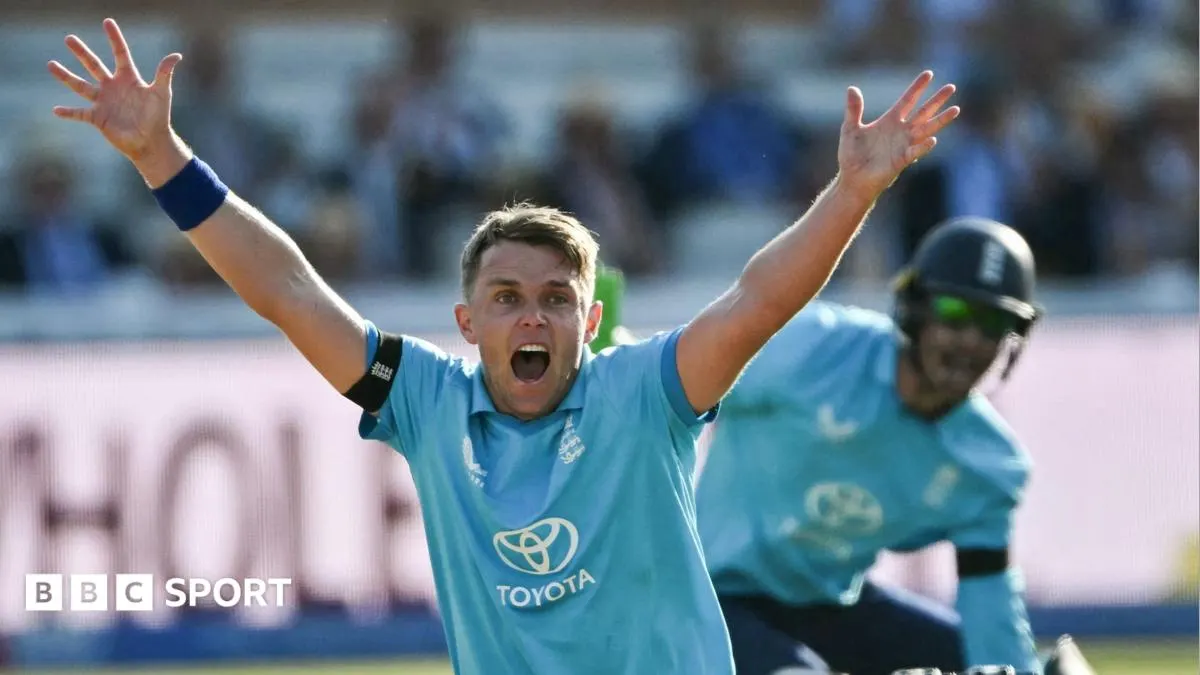
A change to one-day international cricket’s playing conditions is helping fast bowlers generate reverse swing late in an innings, making the final overs harder for batters. Introduced in July 2025, the rule lets captains choose one of the two white balls after 34 overs, so it can be used for the final 16 overs and grow older and rougher.
Since the change, half of pace bowlers’ full deliveries in the final 10 overs have swung by more than one degree, up from 35%; their economy rate in the final five overs has fallen from 8.40 to 7.95 runs per over. England’s death bowling has improved markedly, though the article says their wider progress may also explain the gains, and their batting rate has risen. Sri Lanka used fuller, reversing deliveries to beat England by 16 runs at Headingley, while Alzarri Joseph and Lungi Ngidi are among the bowlers whose figures have benefited.
- A ball-selection rule is bringing reverse swing back into ODI death overs.
- Pace bowlers are conceding fewer runs and taking wickets more cheaply.
- Teams may need to rethink their plans for the final overs.
Both sides, in good faith
The strongest fair case each way — we don't pick a winner.
The case for
Supporters could argue that allowing teams to keep one ball for the final 16 overs restores a skill-based contest at a stage when batters can otherwise dominate. More reverse swing gives fast bowlers a meaningful way to take wickets and defend totals, rewarding control and tactical use of fuller deliveries while making close finishes less predictable.
The case against
Critics could argue that changing the ball mid-innings gives bowlers an artificial boost and makes late-innings batting harder in a format where teams must already manage a demanding scoring rate. If the rule contributes to lower scoring or more uneven contests, it could weaken the established balance of one-day cricket; the reported gains are also difficult to attribute to the change alone.