New releases, music videos and album news — indie, rap, rock and pop. Always covering Ren, Chris Webby, Sam Tompkins, bbno$, CHINCHILLA, Muse, Yungblud and more.
How Pete Townshend turned youthful disgust into The Who’s biggest hit. “I didn’t like being confronted with money and the class system and power”
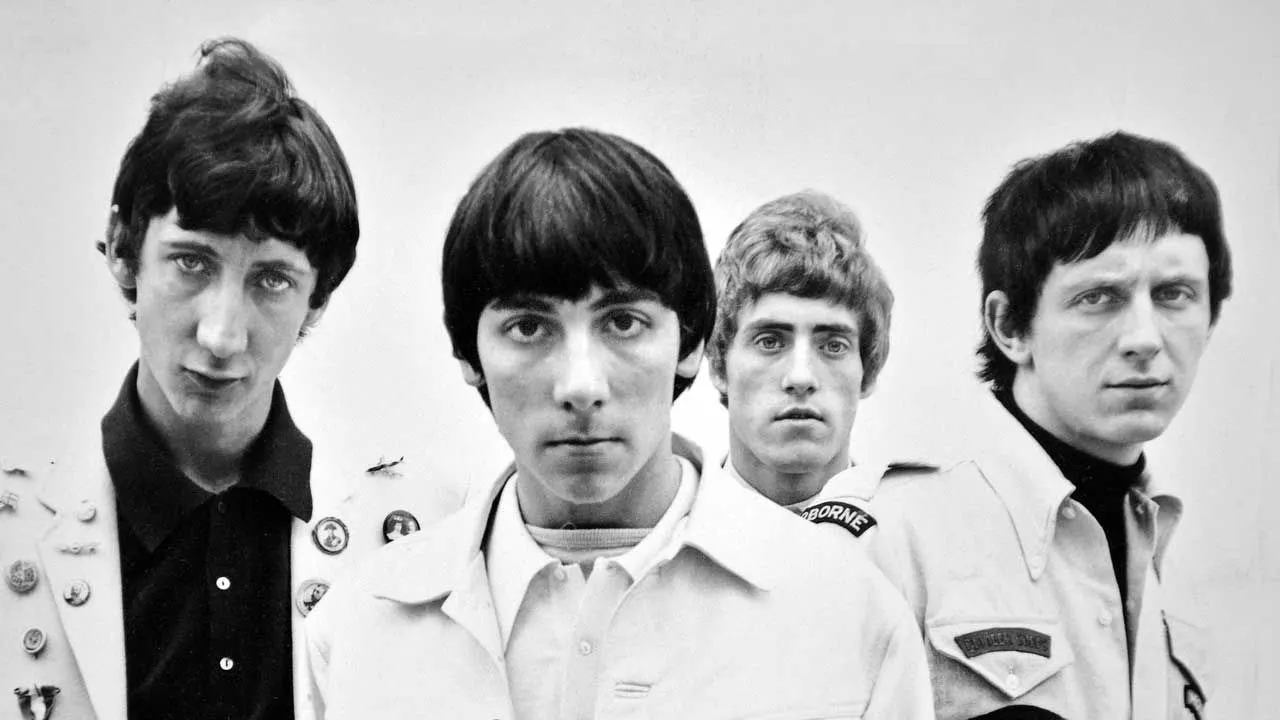
Pete Townshend has explained that My Generation, The Who's breakthrough 1965 single, was born as much from anger at wealth and class privilege as from youthful rebellion. Although the song is best remembered for its defiant "hope I die before I get old" refrain, Townshend later revealed that the line stemmed from his discomfort at being treated dismissively by wealthy neighbours after he moved into an affluent London district, making the track a pointed reaction to class and power rather than simply a generational anthem.
The song's title was drawn from a more highbrow source: Townshend has said he was influenced by Generations, a collection by the socialist playwright David Mercer. Speaking in 1983, he recalled being "treated very strangely on the street, in an imperious way" by residents of the wealthy area he lived in, and said it was this sense of being "confronted with money and the class system and power" that fed directly into the song, fusing intellectual inspiration with raw personal disgust to create one of The Who's most enduring hits.
In short
- My Generation was fuelled by Townshend's anger at wealth and class.
- The "hope I die before I get old" line was about privilege, not age.
- Song title inspired by David Mercer's play collection, Generations.
Steelman: both sides, in good faith
The strongest fair case each way — we don't pick a winner.
The case for
Townshend's own explanation reveals that 'My Generation' was rooted in genuine anger at class inequality and informed by socialist intellectual tradition. Understanding the song through this lens shows it as a serious political statement grounded in real experience rather than mere generational posturing. Respecting the artist's account of his creative influences and intentions provides authentic insight into the work's meaning and significance.
The case against
Whilst Townshend's class consciousness is genuine, the song's enduring cultural power arguably comes from its expression of universal youthful rebellion against mortality and established authority. The song resonated globally because it transcends specific class politics to capture something fundamental about each generation's desire to define itself and defy the old. Over-emphasising the class framework risks narrowing what audiences experienced as a primal, universal generational statement.
Explained simply
The Who were a British rock band who rose to prominence in the 1960s, with Pete Townshend as their guitarist and principal songwriter. Their song “My Generation” became a breakthrough hit in 1965 and is often associated with young people’s frustration with older generations.
The song also reflected Britain’s class divisions. Townshend drew on his own experience of moving into a wealthy part of London and feeling looked down on by its residents, as well as on ideas from socialist playwright David Mercer’s collection Generations. That background helps explain why the song’s defiance was tied to wealth and power as well as age.