Health news and discussion on TalkFuse.
Public figures invoke mental health concerns to challenge publication of allegations
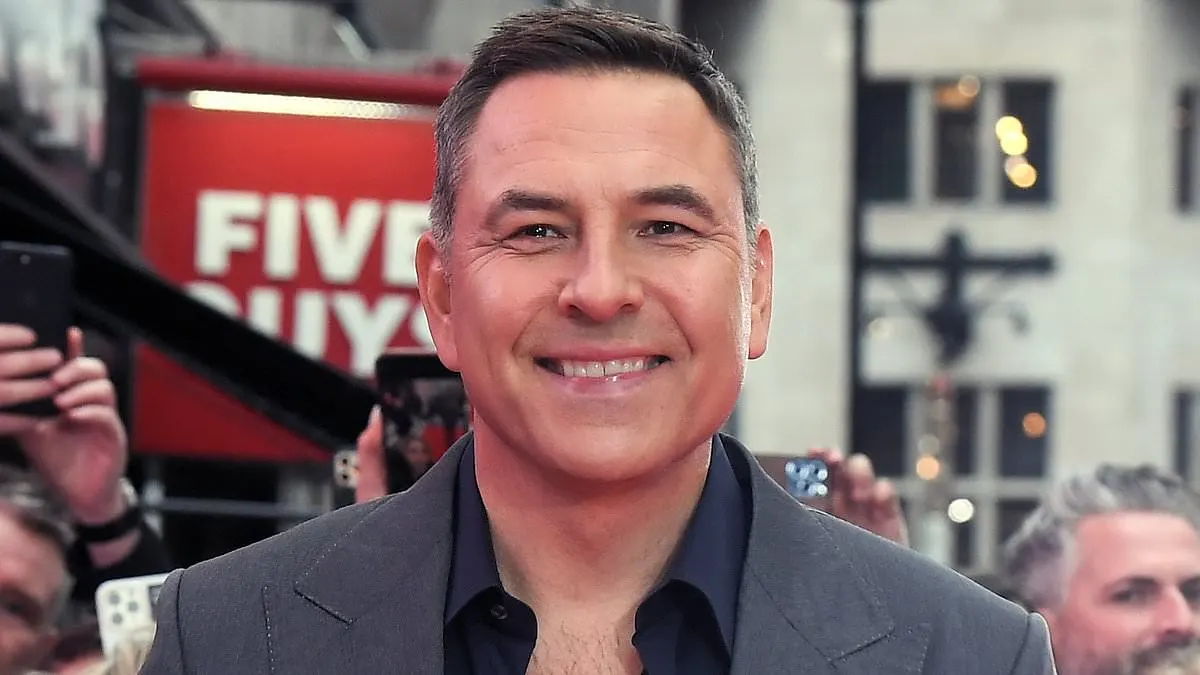
The article argues that public figures increasingly cite mental health concerns when trying to stop damaging allegations from being published. It describes a senior political figure who allegedly asked a newspaper to drop a story about his conduct, and compares the case with comedian David Walliams’s unsuccessful attempt to prevent publication of sexual abuse allegations. The article says these claims can put editors in a difficult position, balancing public interest against the risk of harm.
It reports that a judge considered the risk to Walliams genuine and grave, but ruled that his care was the responsibility of clinicians and the hospital already protecting him, rather than the court or the press. Media law expert Gavin Phillipson says the judgment should make courts cautious about such attempts, though lawyers and agents may continue making them. The article also refers to the Huw Edwards case and notes that mental health claims can be difficult for publishers to verify.
In short
- Public figures are invoking mental health concerns to challenge publication of allegations.
- A judge rejected David Walliams’s attempt to block publication.
- Editors face a difficult balance between public interest and potential harm.
Steelman: both sides, in good faith
The strongest fair case each way — we don't pick a winner.
The case for
Editors and courts should take credible mental health risks seriously: publishing allegations can cause severe, sometimes lasting harm, particularly when a person is already vulnerable. Where claims are difficult to verify and publication can be delayed, caution may protect individuals while allowing time to assess the evidence and public interest fairly.
The case against
Mental health concerns should not, by themselves, prevent publication of substantiated allegations that matter to the public. Decisions about treatment and protection belong primarily to clinicians, while courts and editors must also consider accountability, the rights of those making allegations and the public’s interest in accurate reporting.
Explained simply
Editors deciding whether to publish allegations about a public figure must weigh the public interest in reporting them against possible harm to the person concerned. Claims about mental health can make that judgement harder, particularly when a publisher cannot easily verify the person’s condition or the risks they face.
David Walliams is a comedian who tried unsuccessfully to prevent publication of sexual abuse allegations; a judge said the risk to his wellbeing was serious, but that his care belonged with his clinicians and hospital. The article also mentions Huw Edwards, a former BBC presenter, and a senior political figure said to have asked a newspaper to drop a story about his conduct.
The cases raise questions about when courts should restrict reporting and who is responsible for protecting someone at risk. Media law expert Gavin Phillipson says the ruling may make courts cautious about similar requests, though lawyers and agents may still make them.
Read the full article at the source →
Originally published by Daily Mail as “How politicians, celebrities, influencers and even Buckingham Palace are playing the ‘mental health’ card to cover up THESE scandals”.