World news and discussion on TalkFuse.
How Rachel Reeves has mapped out the economic agenda for Andy Burnham’s government
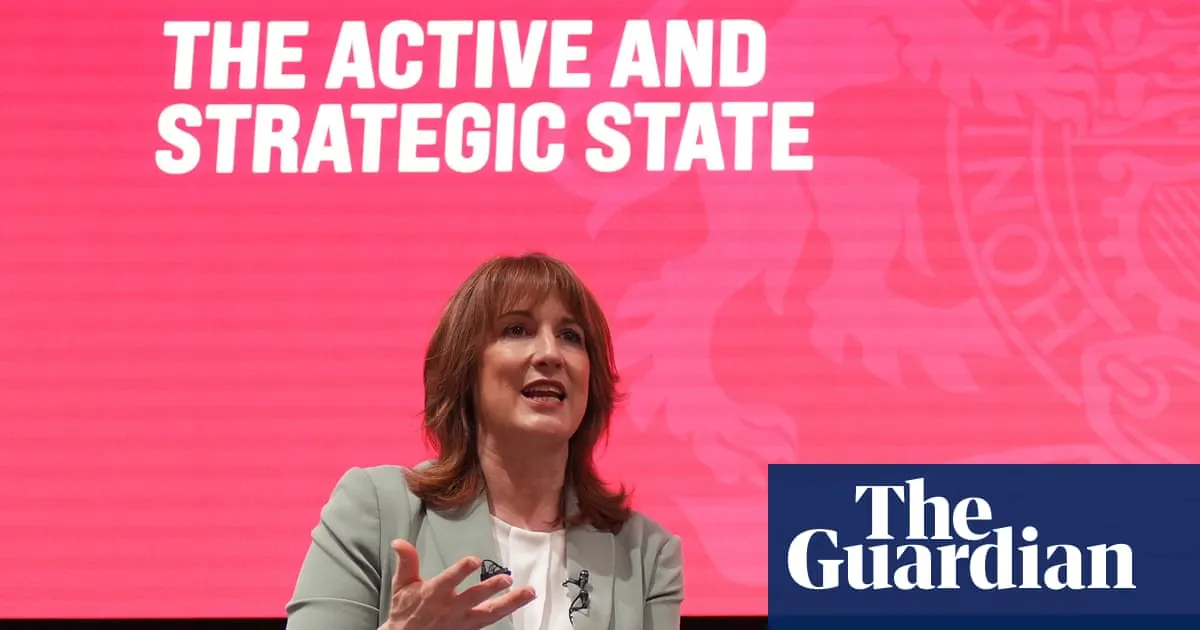
Rachel Reeves’s economic ideas appear to align closely with the agenda of Andy Burnham’s government, despite Burnham having dismissed her from office. In a forthcoming Harvard speech, she is expected to argue that Brexit harmed Britain and that closer ties with the EU, potentially including rejoining, are both economically credible and politically radical.
Reeves has also advocated giving regional leaders a share of national tax revenues, a proposal now central to John Healey’s budget, and argued that investment is needed to address the underperformance of cities outside London. Her fiscal changes enabled a planned £100bn increase in capital spending over several years, though the article says she has received little credit for making the difficult tax choices that supported it.
In short
- Reeves’s views on Brexit and devolution echo Burnham’s agenda.
- She argues closer EU ties could be both radical and credible.
- Her fiscal changes supported plans for £100bn in capital spending.
Steelman: both sides, in good faith
The strongest fair case each way — we don't pick a winner.
The case for
Supporters could argue that closer economic ties with the EU and greater regional control of tax revenues would help address weak growth and the concentration of opportunity in London. They may see Reeves’s willingness to make difficult tax choices to fund long-term investment as a credible way to support cities and public services.
The case against
Critics could argue that closer EU ties, especially any move towards rejoining, risk reopening divisive questions and reducing the freedom to set national policy. They may also question whether shifting tax revenues to regional leaders or increasing capital spending would deliver enough growth to justify the costs and trade-offs.
Explained simply
Rachel Reeves is the UK’s chancellor, responsible for tax and public spending, while Andy Burnham leads Greater Manchester as its mayor. Their political relationship has been strained, but their economic priorities have included giving regions more influence and addressing the gap between London and other cities.
Brexit changed the UK’s relationship with the European Union, its largest nearby trading partner. Debate over closer ties centres on whether they could support trade and growth, and what political choices they would involve.
The government also decides how much to spend on long-term projects such as transport and infrastructure. Those choices matter because they can shape regional growth, public services and the amount of tax needed to fund investment.
Europe Government Politics UK World