Entertainment news and discussion on TalkFuse.
How REM dodged their label’s hopes of going synth-pop in 1983
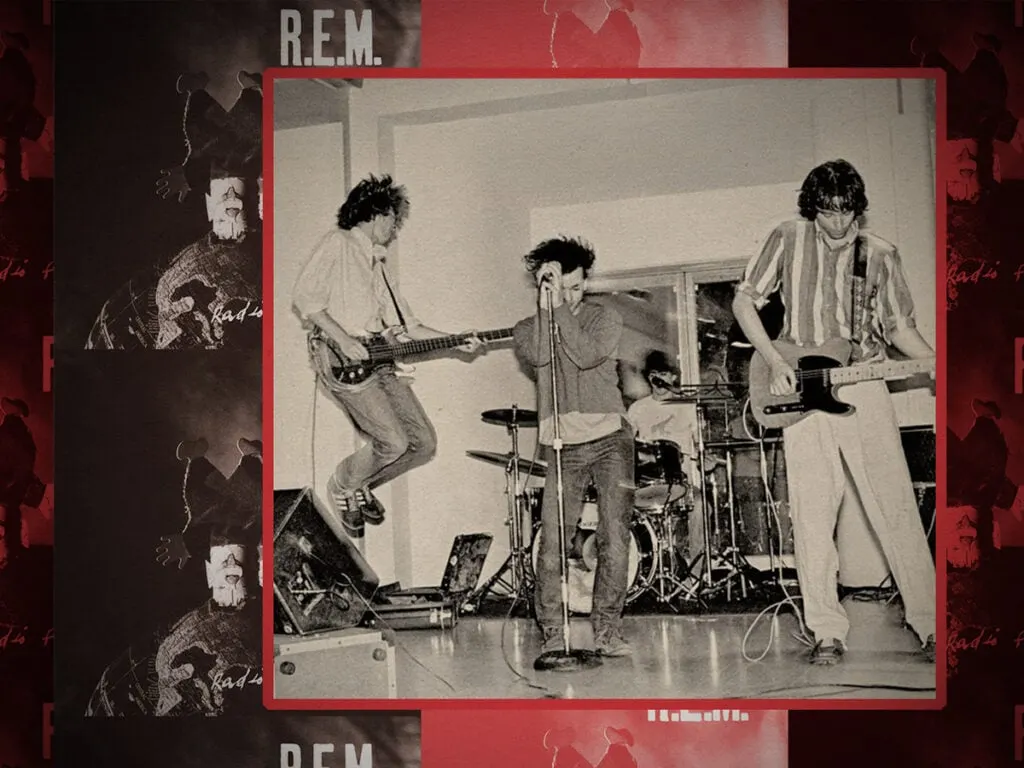
R.E.M. resisted their label I.R.S.’s early attempt to steer them towards synthesiser-led pop while making their 1983 debut album, Murmur. The label hired producer Stephen Hague, whose preference for polished, heavily edited recordings clashed with the band’s looser guitar-based approach; R.E.M.’s successful insistence on working with Mitch Easter and Don Dixon instead helped establish the sound that became influential in American college rock and indie music.
Peter Buck said Hague required up to 35 takes and assembled songs from different recorded sections, whereas the eventual Murmur sessions favoured first takes. After completing a demo of ‘Catapult’ with Hague, the band returned to Easter’s North Carolina studio, where Easter said they had to regain confidence after fears that synthesisers would be imposed on their sound. Released in April 1983, Murmur was critically acclaimed but only reached number 36 on the US Billboard chart, later becoming widely regarded as a landmark debut.
In short
- R.E.M. rejected a synth-pop direction for Murmur.
- The band replaced Stephen Hague with trusted producers.
- Murmur became an influential, acclaimed debut.
Steelman: both sides, in good faith
The strongest fair case each way — we don't pick a winner.
The case for
R.E.M. had good reason to resist the label’s push: their guitar-led, less polished approach reflected the band’s musical identity, and the eventual sessions with Mitch Easter and Don Dixon helped preserve the spontaneity they valued. Murmur’s influence suggests that allowing artists room to shape their own sound can produce work with lasting cultural importance, even when commercial success is uncertain.
The case against
The label could reasonably argue that a synth-pop direction and Stephen Hague’s more controlled production might have made the new band’s sound more accessible and commercially competitive. A record company investing in a debut album also has a legitimate interest in testing established production methods and pursuing a wider audience, provided the musicians’ creative interests are taken seriously.
Explained simply
R.E.M. were an American band formed in Georgia, known for guitar-led songs and an understated style. In the early 1980s, their record label, I.R.S. Records, was helping them make their first album, Murmur, and wanted a sound it thought could reach a wider pop audience.
The label brought in producer Stephen Hague, who favoured carefully polished recordings and synthesiser-led arrangements. The band preferred a looser approach, working with producers Mitch Easter and Don Dixon, whose North Carolina studio had been central to their earlier recordings.
Murmur helped shape the sound of American college rock and indie music, styles associated with independent-minded bands and audiences. It was praised by critics but had modest chart success when released in 1983; its reputation grew over time.