World news and discussion on TalkFuse.
How Russell Brand’s outrageous persona helped shield his misconduct from scrutiny
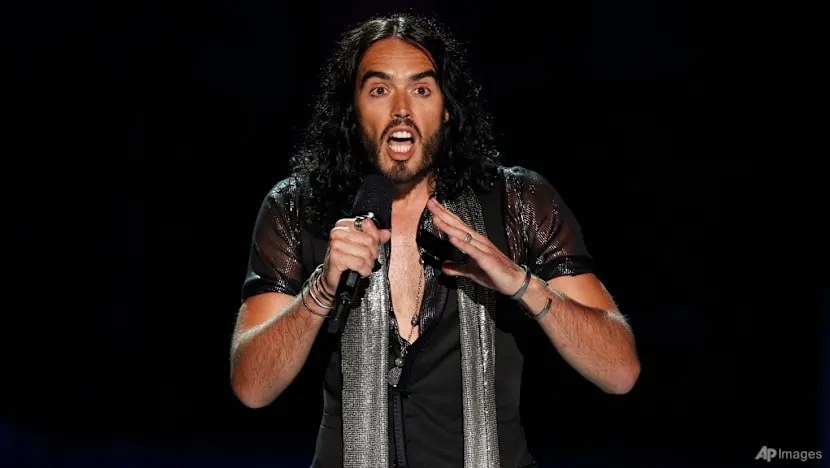
Russell Brand’s convictions for rape and sexual assault have renewed scrutiny of the BBC and other media employers, as well as the culture that allowed his behaviour to be overlooked. His outrageous public persona was widely known, but former colleagues and an employment review indicate that concerns were not handled effectively and that some staff felt unable to complain.
Brand, 51, was convicted of one rape and three sexual assaults involving multiple women; he was acquitted of two other rape counts and an attempted indecent assault, and was due to be sentenced on Monday. The BBC apologised for a culture of silence during his time at its radio stations from 2006 to 2008. Of eight complaints examined by the broadcaster, only one was formally raised at the time, concerning Brand urinating in a cup in front of staff, and the review found it was not dealt with effectively.
In short
- Brand’s convictions have put past BBC oversight under renewed scrutiny.
- The BBC apologised for a culture in which staff felt unable to complain.
- Only one of eight investigated complaints was formally raised at the time.
Steelman: both sides, in good faith
The strongest fair case each way — we don't pick a winner.
The case for
A celebrated performer’s outrageous persona may have made colleagues and managers more likely to treat troubling conduct as part of the act, rather than as behaviour requiring scrutiny. Employers should therefore examine whether workplace norms, unequal power and weak complaint processes allowed concerns to go unheard, and take responsibility for making staff feel safe to report them.
The case against
A performer’s public persona alone does not establish why misconduct went unchallenged, and scrutiny should distinguish what was known at the time from what became clear later. Employers should be held accountable for specific failures supported by evidence, while reviews avoid hindsight and preserve fair procedures for assessing complaints and individual responsibility.
Explained simply
Russell Brand is a British comedian and broadcaster who presented programmes on BBC radio between 2006 and 2008. His deliberately provocative public image was familiar to audiences and colleagues, but former staff say concerns about his conduct did not always reach managers or lead to action.
Brand has been convicted of one rape and three sexual assaults involving several women, while being acquitted of other charges. The BBC has apologised for a culture of silence, and its review found that complaints from his time there were not handled effectively. The case has raised questions about how media employers respond to concerns and whether staff feel able to speak up.