World news and discussion on TalkFuse.
How Steelers can fight for the $7.33 million they owe Aaron Rodgers
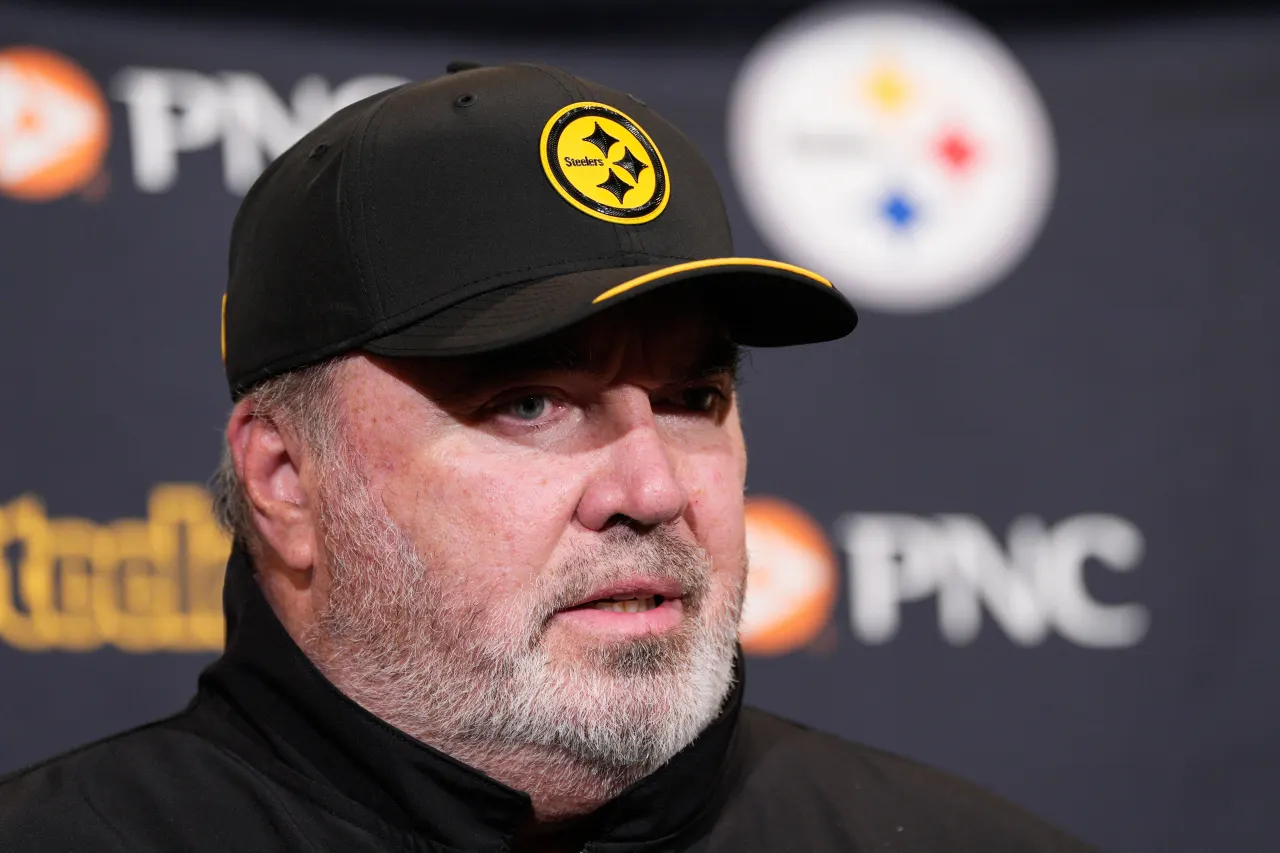
Aaron Rodgers’s public criticism of former Steelers coach Mike McCarthy has raised the possibility that Pittsburgh could challenge the $7.33 million in guaranteed salary he is owed for the rest of the season. Such a move would matter beyond Rodgers: it could test how far NFL teams can go in voiding guaranteed pay after a player speaks critically about a coach.
Rodgers signed a one-year deal worth $22.5 million, including $22 million guaranteed, and the remaining $7.33 million covers Weeks 13 to 18. The NFL’s collective bargaining agreement allows a club to terminate a contract for conduct detrimental in especially severe cases, but the NFL Players Association would have grounds to contest the Steelers’ decision. Rodgers accused McCarthy of neglecting coaching duties; McCarthy called one reported incident embarrassing and did not deny the other claims. Pittsburgh will start Mason Rudolph against Denver.
In short
- Pittsburgh may try to withhold Rodgers’s remaining $7.33 million.
- The NFL agreement permits termination for especially severe conduct.
- The players’ union could challenge any move over Rodgers’s comments.
Steelman: both sides, in good faith
The strongest fair case each way — we don't pick a winner.
The case for
Supporters of a Steelers challenge would argue that a franchise is entitled to protect its locker room and coaching structure when a player publicly questions a coach's competence, and that the agreement's conduct detrimental clause exists precisely for conduct that damages team cohesion. From this view, a club should not be compelled to keep paying a player whose public criticism it considers seriously harmful, and testing the clause in an especially severe case is a legitimate use of the process the agreement provides. They would also stress that the team, not the player, bears the operational consequences of such friction.
The case against
Those opposing the move would contend that guaranteed money exists so that players are protected from arbitrary termination, and that voiding it over criticism, even pointed criticism, risks discouraging players from speaking about workplace conditions, which the union has a duty to defend. They would argue that a one-year guarantee negotiated in good faith should mean what it says, and that the conduct detrimental standard is meant for severe misconduct rather than disagreement with a coach. Some would add that a ruling in the team's favour could weaken guarantees across the league, affecting players far beyond Rodgers.