Entertainment news and discussion on TalkFuse.
How the defining song of the 1960s was brought on by LSD, Jimmy Page, and a white Telecaster
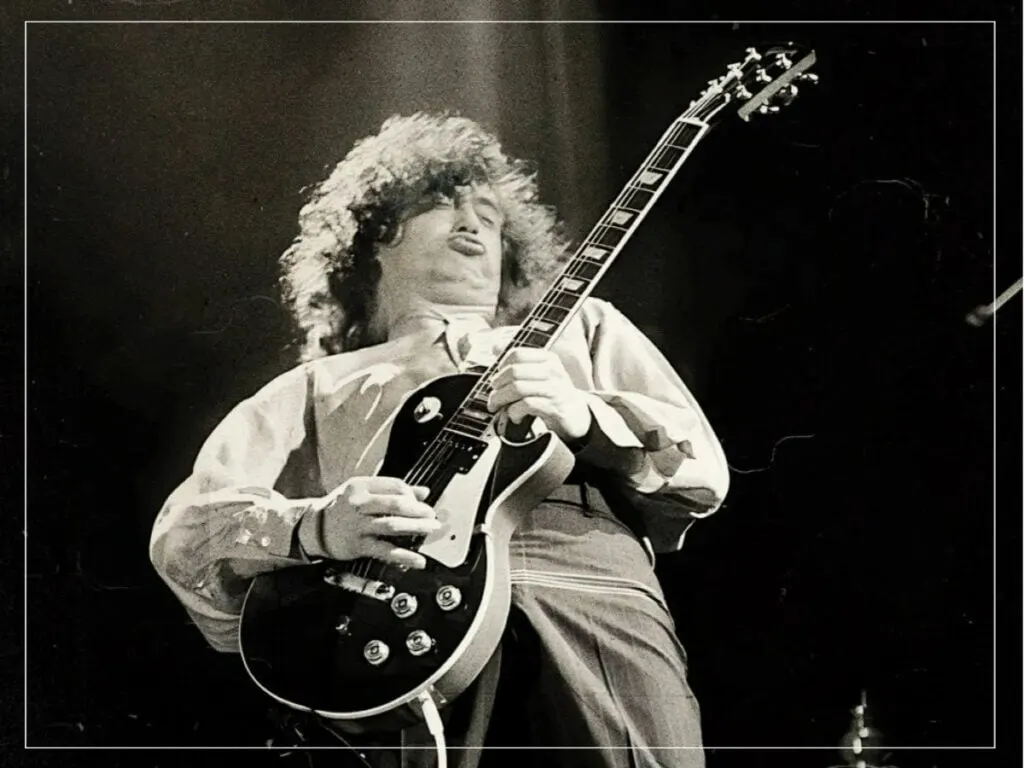
The 1960s witnessed a transformation in popular culture where rock musicians achieved celebrity status rivalling Hollywood actors. This era saw psychedelic music emerge as an experimental genre, though early listeners found it polarising—some dismissed it as experimentation without substance, even drawing criticism from established artists like Jimi Hendrix who felt bands were merely adding visual effects to familiar songs played in unconventional ways.
Folk musician Donovan played a crucial role in legitimising psychedelia through two influential recordings: 'Sunshine, Superman' (whose title referenced LSD, deeply connected to the psychedelic movement) and 'The Season of the Witch.' Recording these tracks with producer Mickie Most and assembling musicians including future rock legends Jimmy Page and John Paul Jones, Donovan created a sound that fused his folk roots with jazz influences and electric instrumentation, ultimately helping to establish psychedelia as a forward-thinking and artistically credible genre.
In short
- Donovan's 'Sunshine, Superman' and 'The Season of the Witch' became defining psychedelic recordings of the 1960s
- He recorded with future rock legends Jimmy Page and John Paul Jones, blending folk and experimental sounds
Steelman: both sides, in good faith
The strongest fair case each way — we don't pick a winner.
The case for
Psychedelic music represented a genuine artistic evolution that expanded rock music's expressive possibilities. By synthesising folk traditions, jazz influences, and experimental production techniques, artists like Donovan created something authentically novel rather than experimentation for its own sake. The involvement of serious musicians such as Jimmy Page and John Paul Jones, alongside the genre's engagement with cultural movements and altered consciousness, demonstrated that psychedelia was a substantive artistic movement with intellectual and creative depth.
The case against
Contemporary critics raised legitimate concerns that psychedelic music often prioritised visual spectacle and production effects over genuine musical innovation. Playing familiar musical structures with unconventional techniques and accompanying them with trippy imagery doesn't necessarily constitute authentic artistic advancement—it can represent experimentation divorced from meaningful compositional or melodic development. The worry that bands were essentially clothing conventional songs in psychedelic presentation suggested the movement's innovations were fundamentally superficial rather than revolutionary.
Explained simply
In the 1960s, rock musicians became major celebrities, and some began experimenting with psychedelic music: songs using unusual sounds and arrangements associated with the era’s interest in altered states of mind. The style divided listeners, with some hearing fresh ideas and others dismissing it as familiar music dressed up with effects.
Donovan was a Scottish folk singer whose recordings helped bring this sound to a wider audience. Working with producer Mickie Most, he made “Sunshine Superman” and “Season of the Witch”, blending folk with jazz and electric instruments.
The sessions included Jimmy Page and John Paul Jones, later known as members of Led Zeppelin. Their involvement links Donovan’s recordings to musicians who went on to shape British rock, while the songs helped establish psychedelia as a serious direction for popular music.