How the downfall of Serbia’s Vučiċ mirrored that of Hungary’s Orbán
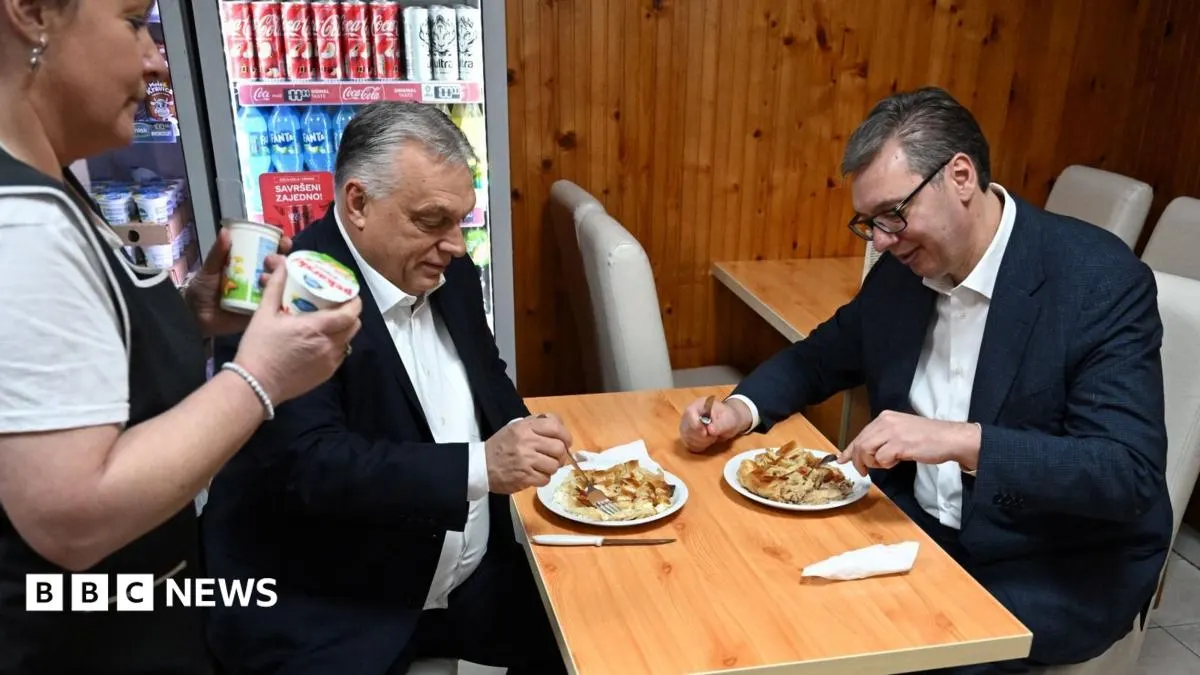
Aleksandar Vučić conceded defeat after a student movement won Serbia’s parliamentary election by a landslide, following Viktor Orbán’s loss in Hungary in April. The article draws parallels between the two long-serving leaders’ falls and says voter mobilisation and election monitoring helped opposition forces challenge governments many had considered entrenched.
Turnout reached 69% in Serbia and 79% in Hungary, with tech-savvy young people using AI tools to analyse figures, spot risks and organise monitors. Hungarian activists shared their methods with Serbian students, and 70 monitors travelled to Vojvodina; local volunteers also filmed groups of masked men near polling stations. Vučić and Orbán had close political and business ties, including shared links with Russia and China, and speculation that Orbán advised Vučić before he conceded remains disputed.
In short
- Serbia’s student movement won a landslide parliamentary victory.
- Election monitoring and youth mobilisation featured in both countries.
- Vučić and Orbán had close political and business ties.
Explained simply
Serbia and Hungary are neighbouring countries in central and south-eastern Europe, each led for years by a powerful governing party. Aleksandar Vučić has been Serbia’s dominant political figure, while Viktor Orbán has shaped Hungarian politics through his long time in office.
In both countries, opposition groups have faced the challenge of competing with governments that critics say hold strong advantages in the media and state institutions. Students and other volunteers have sought to widen participation and check the voting process, including by organising election monitors.
The two leaders also built political and business links, and both maintained close ties with Russia and China. Their countries’ elections matter beyond their borders because Serbia and Hungary play significant roles in European politics and have different relationships with the European Union.
Business Climate Elections Markets Politics Science World