World news and discussion on TalkFuse.
Two books revisit the unsolved 1949 murder of Louise Cansot
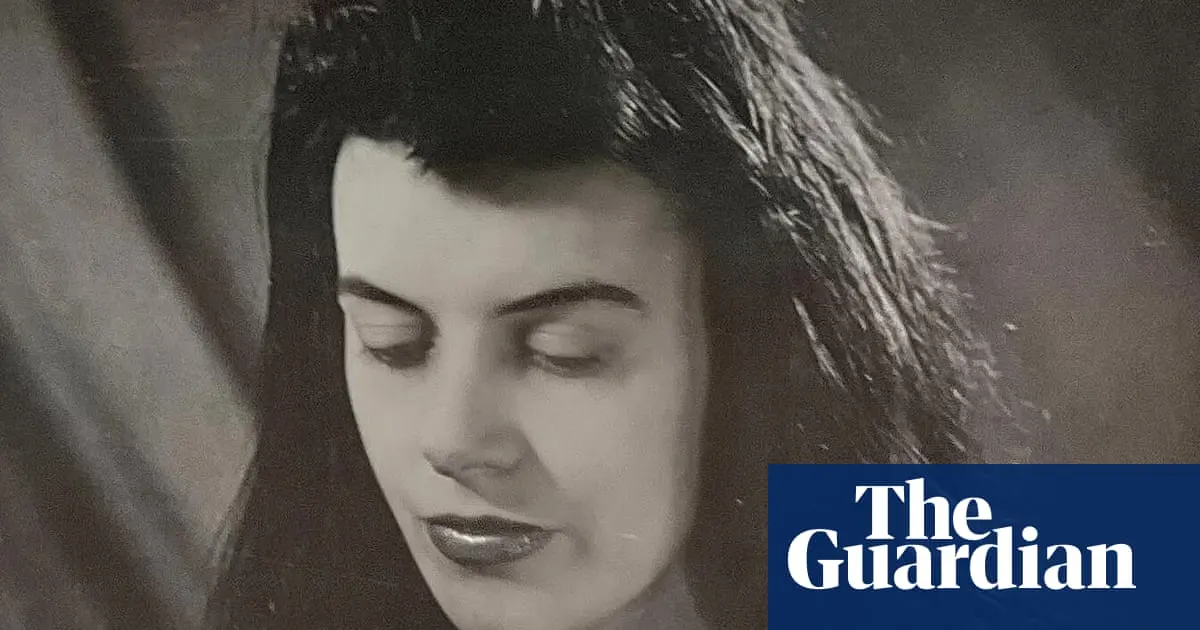
Louise Cansot, a Paris artists’ model whose 1949 murder was quickly left unsolved, has become the subject of two books. Philippe Jaenada’s novel about her won this year’s Prix Goncourt, bringing renewed attention to a case in which police and newspapers judged Cansot’s character instead of pursuing the investigation thoroughly.
Luc Corlouër had researched Cansot for decades and shared his material with Jaenada in an agreement that both writers could publish their very different books. Cansot moved from Brittany to Paris at 16, modelled for Montparnasse artists and later worked as a film extra, waiter and dancer; she was also raising a young daughter. Her body was found on the Quai du Javel on 7 September 1949, and police closed the case four months later without identifying her killer.
In short
- Jaenada’s Prix Goncourt-winning novel revives a forgotten Paris murder.
- Researcher Luc Corlouër shared decades of material with Jaenada.
- Cansot’s 1949 killing remained unsolved after a brief police investigation.
Explained simply
Louise Cansot moved from Brittany to Paris as a teenager, where she modelled for artists and later worked in several jobs while bringing up her young daughter. In September 1949, her body was found on the Quai du Javel, but police closed the case four months later without finding her killer.
The case unfolded in post-war Paris, where newspaper coverage and police attention focused on Cansot’s personal life and reputation. That focus has since raised questions about whether her murder was investigated thoroughly.
Researcher Luc Corlouër spent decades gathering material about Cansot and shared it with novelist Philippe Jaenada under an agreement that both could publish their own books. Their different accounts have brought the case to wider attention and offer readers new ways to examine what is known about her life and death.
Read the full article at the source →
Originally published by The Guardian as “How the story of ‘the girl of 100 portraits’ inspired two books”.