World news and discussion on TalkFuse.
How the UK’s extreme heat is shifting the conversation about air-con
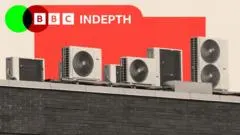
Extreme summer heat in the UK is forcing a rethink of the long-standing reluctance to embrace air conditioning, as brick-built homes designed to retain warmth are proving dangerous during heatwaves. In the West Midlands, residents such as Mandy Bourne, who has COPD, describe flats becoming unbearably hot, while housing associations like Walsall Housing Group (whg) improvise solutions such as turning community rooms into makeshift "cool rooms" with portable air-conditioning units.
Researchers at the University of Birmingham found the urban heat island effect, where cities can be up to 7C warmer than surrounding countryside at night, accounted for roughly half of the 130 heat-related deaths in a previous regional heatwave. The article also highlights a wider debate about climate spending priorities: in 2023, $1.8 trillion went to reducing emissions ("mitigation") while adaptation measures, such as heat-resilient housing and cooling, received under $65 billion. This imbalance has been challenged by figures including Bill Gates, who argues too much focus on emissions targets has diverted funding from practical measures that improve lives as the climate warms, a view that has sparked criticism from climate scientists.
In short
- UK heatwaves expose how brick homes trap and radiate heat
- Urban heat island effect linked to half of heatwave deaths in study
- Debate grows over funding climate adaptation, like air-con, versus emissions cuts
Steelman: both sides, in good faith
The strongest fair case each way — we don't pick a winner.
The case for
As heatwaves become more dangerous, homes that trap heat can put residents’ health at risk, especially people with conditions such as COPD. Supporters of more cooling argue that air-conditioning and heat-resilient housing are practical ways to protect lives, and that climate spending should give adaptation greater priority alongside emissions cuts.
The case against
Expanding air-conditioning could increase energy use and emissions, potentially worsening the warming that makes heatwaves more severe. Critics of shifting attention or funding away from mitigation argue that cutting emissions remains essential to limit future risks, while adaptation should be designed to protect people without deepening the problem.
Explained simply
The UK has traditionally relied on building design to keep homes cool through natural ventilation rather than air conditioning, an approach that made sense in a cooler climate. However, increasingly frequent and intense summer heatwaves are exposing a critical problem: homes built to trap and retain heat are becoming dangerous when temperatures soar. In some regions, temperatures can reach deadly levels, particularly for vulnerable people with health conditions.
Residents and housing associations are beginning to adapt to the crisis. As heatwaves make some homes unbearably hot, people have improvised solutions including community "cool rooms" equipped with portable air-conditioning units, with the impact felt acutely by those with existing health conditions. Researchers have documented the scale of the problem, finding that urban areas can be significantly hotter than surrounding countryside and account for a substantial portion of heat-related deaths during severe heatwaves.
The situation has sparked wider debate about climate spending priorities. Global spending has heavily favoured reducing emissions, whilst far less goes to helping people adapt to warming already happening. Some figures argue that more resources should fund heat-resilient housing and cooling systems, a position that has generated both support and criticism from researchers.
Americas Climate Science World