Politics news and discussion on TalkFuse.
How to fight a data center
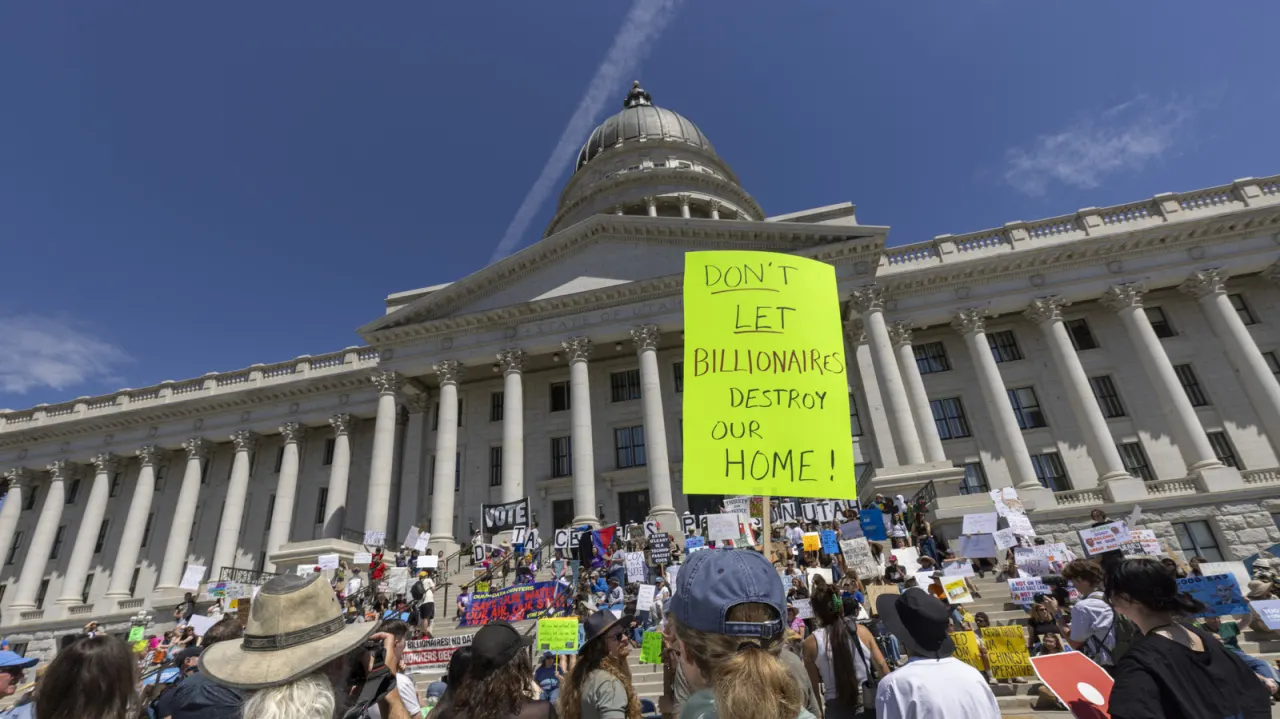
Communities across the United States are increasingly opposing data centre projects, arguing that the rapid expansion of AI and cloud infrastructure is being prioritised over local needs. The article says residents and politicians are organising to challenge developments or demand stricter conditions, amid concerns about pollution, noise, water supplies and rising energy costs.
US spending on data centre construction exceeded $50 billion in April, overtaking spending on new public transport infrastructure. Polling cited by the article found that 70% of Americans oppose a data centre near their home, while examples in Tennessee and Virginia highlight complaints about gas-powered generators and persistent noise levels of up to 65 decibels; environmental groups have also sued xAI over alleged emissions from 27 methane turbines.
In short
- US communities are organising against nearby data centre developments.
- Residents cite air pollution, noise and water concerns.
- Construction spending has surpassed new public transport investment.
Steelman: both sides, in good faith
The strongest fair case each way — we don't pick a winner.
The case for
Communities have good reason to challenge projects that may bring noise, pollution, heavy water use and higher energy costs to nearby residents. Rapid investment in data centres can put pressure on local services and resources, so residents and elected officials may reasonably seek stronger environmental rules, transparent assessments and conditions that protect the public interest.
The case against
Data centres support cloud services and expanding AI use, and can attract investment and economic activity to host communities. Opponents may accept that impacts need managing while arguing that blocking projects or imposing excessive restrictions could delay useful infrastructure, limit local opportunities and shift development elsewhere rather than address its effects.
Explained simply
Data centres are large facilities that house the computer equipment behind online services, cloud storage and artificial intelligence. They need substantial electricity and cooling, so new sites can affect nearby communities through their energy use, water demand, noise and backup power systems.
Technology companies and other operators build data centres, while local residents and elected officials can influence where they go and what conditions apply. In the United States, communities have raised concerns about pollution, noise, pressure on water supplies and the effect on electricity costs.
The issue matters as demand for computing grows and companies invest heavily in new facilities. Decisions about planning and regulation shape how the costs and benefits of that expansion are shared between businesses and the places where they build.
Elections Environment Politics Science