Amazon users can review and edit the details guiding shopping personalisation
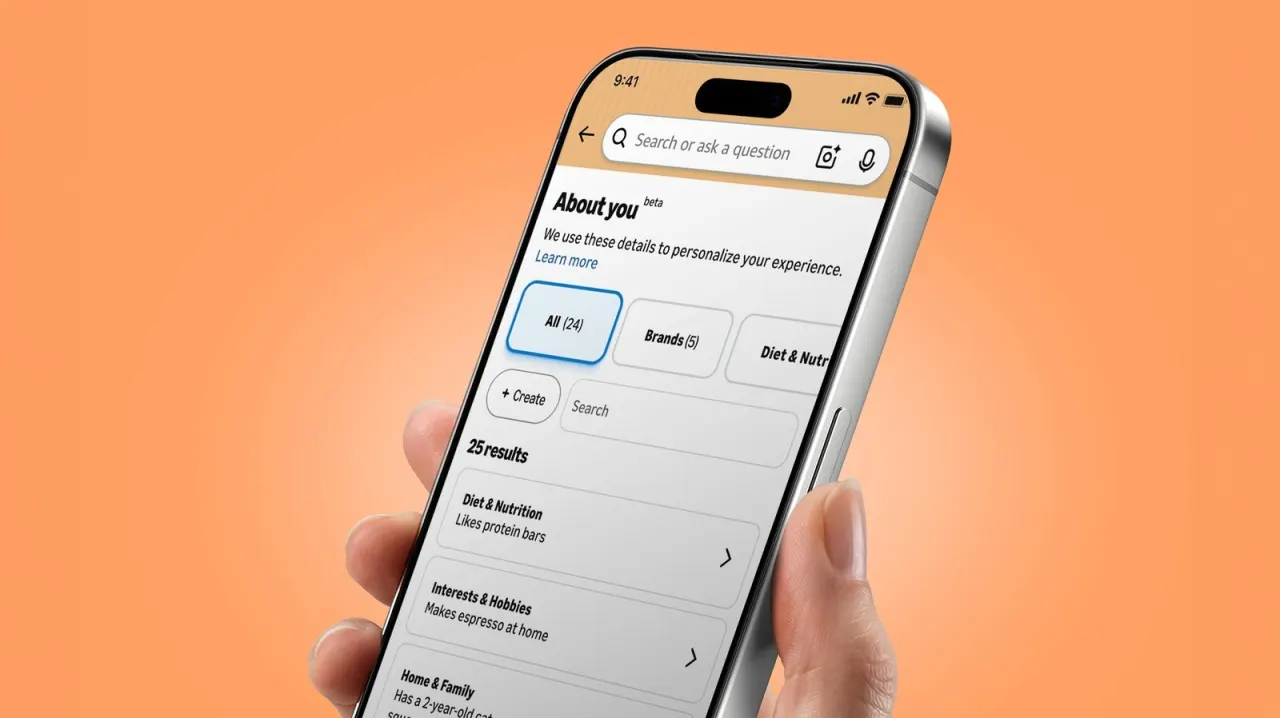
Amazon’s About You page shows details the company uses to personalise shopping, and some observations shared by users have been surprisingly specific or strange. The feature has drawn renewed attention, prompting people to check what Amazon has inferred about them and whether those details are accurate.
Customers can find the page in the Amazon app under Me and their name, or on the website under Account & Lists, Account, then Ordering and shopping preferences. They can edit or remove individual observations, add information, or import details from other AI assistants by copying and pasting. Changing an observation does not turn off personalisation or delete the underlying purchase, review, search or conversation that may have informed it.
- Amazon’s About You page lists details used to personalise shopping.
- Users can edit, remove or add individual observations.
- Changes do not opt users out of personalisation or erase source activity.
New here? Start with this
Amazon uses information about customers' browsing history, purchases, searches and conversations to personalise the products displayed to them. This system is designed to show shoppers items they might be interested in, though it relies on the company collecting and analysing shopping behaviour.
The company now provides an "About You" page where customers can see what details it has gathered about their interests and shopping habits. Users can review these observations, edit or delete individual ones they disagree with, and add their own information to their profile.
The ability to see and manage these details matters because it gives customers visibility into how companies are profiling them. Personalisation systems are standard across online shopping, but many people have little understanding of what information companies are collecting about them or how it is being used.
Both sides, in good faith
The strongest fair case each way — we don't pick a winner.
The case for
This demonstrates meaningful progress in transparency and user empowerment. Showing customers precisely what Amazon infers about them and enabling correction of inaccurate details provides visibility most technology platforms actively withhold. Users gain genuine agency to verify and adjust the data shaping their personalisation, marking a significant step forward in consumer control over algorithmic decision-making.
The case against
Whilst the feature provides procedural transparency, it is substantially performative and may provide false reassurance without addressing core privacy concerns. Users can edit individual observations, but Amazon's underlying data collection and algorithmic profiling continues unchanged—edits do not prevent personalisation or remove the original data that informed them. Privacy advocates contend that true control requires limiting data collection in the first place, not merely allowing users to view and adjust surface-level inferences after systematic profiling.
Read the full article at the source →
Originally published by Engadget as “How to find your Amazon ‘About You’ page (and how to edit it)”.